Rediscovering the Golden Era: Old Hidden Object Games for PC That Defined a Genre
The world of PC gaming has witnessed countless genres rise and fall, but few have maintained the enduring charm and relaxing gameplay of hidden object games. These puzzle-based adventures captivated millions of players during their golden age in the late 2000s and early 2010s, offering a perfect blend of mystery, exploration, and visual challenges. For those seeking to revisit these classics or discover them for the first time, old hidden object games for PC represent a treasure trove of engaging entertainment that continues to hold up remarkably well even by modern standards.
Hidden object games, often abbreviated as HOGs, emerged as a distinct genre that appealed to casual gamers and puzzle enthusiasts alike. Unlike fast-paced action games or complex strategy titles, these games invited players to slow down, observe carefully, and immerse themselves in richly detailed scenes filled with cleverly concealed items. The genre’s accessibility, combined with compelling storylines and atmospheric settings, created a gaming experience that was both mentally stimulating and deeply satisfying. Today, as we look back at the pioneering titles that established this genre, we can appreciate how these games laid the groundwork for countless modern puzzle adventures while maintaining their own unique appeal.
The Evolution and Appeal of Classic Hidden Object Gaming
The rise of old hidden object games for PC coincided with the explosive growth of casual gaming platforms and digital distribution services. During the mid to late 2000s, developers recognized an untapped market of players who wanted engaging gameplay without the steep learning curves associated with hardcore gaming titles. Hidden object games filled this niche perfectly, offering intuitive mechanics that anyone could understand within minutes while still providing substantial challenges for dedicated players.
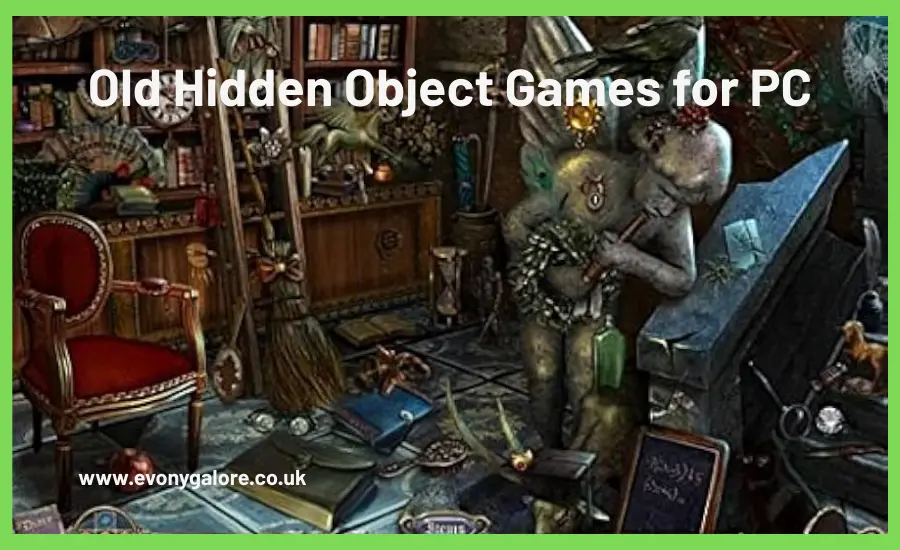
What made these early hidden object games particularly special was their commitment to artistic detail and atmospheric storytelling. Developers invested considerable resources in creating hand-painted scenes bursting with intricate details, ensuring that each location felt like a living, breathing environment rather than simply a puzzle to solve. The objects hidden within these scenes were cleverly integrated into the scenery, requiring players to think creatively about perspective, color, and context. A key might be disguised among decorative ironwork, or a butterfly could blend seamlessly into a floral wallpaper pattern.
The narrative frameworks supporting these games also deserves recognition. Rather than presenting disconnected puzzles, classic hidden object games wove their challenges into compelling stories involving mysteries, supernatural encounters, historical adventures, and romantic dramas. Players weren’t just finding objects for the sake of finding them; they were gathering clues to solve murders, collecting artifacts to break ancient curses, or assembling components to repair crucial machinery. This narrative integration gave purpose to the gameplay and kept players emotionally invested throughout their journey.
Iconic Titles That Shaped the Genre
Several landmark titles emerged during the genre’s formative years, each contributing unique elements that would become standard features in subsequent releases. Mystery Case Files: Huntsville, released in 2005, is widely credited as one of the games that kickstarted the hidden object phenomenon on PC. This groundbreaking title introduced players to a series of crime scenes where they needed to find specific objects to progress through various cases. Its success spawned numerous sequels, including Ravenhearst and Return to Ravenhearst, which added gothic horror elements and more complex storylines to the formula.
The Dark Parables series transported players into twisted fairy tale worlds where classic stories were reimagined with darker, more mature themes. These games excelled in visual presentation, offering some of the most beautifully rendered scenes in the entire genre. The developers carefully balanced hidden object sequences with adventure game elements, including inventory puzzles and character interactions that deepened the overall experience. Each installment in the series maintained high production values while introducing fresh narrative concepts that kept the formula feeling innovative.
Awakening: The Dreamless Castle and its sequels represented another high watermark for old hidden object games for PC. This franchise distinguished itself through its enchanting fantasy setting and protagonist-a princess awakening after a century of magical sleep to find her kingdom frozen in time. The game masterfully blended hidden object scenes with point-and-click adventure mechanics, creating a hybrid experience that appealed to fans of both genres. The stunning artwork, featuring ethereal landscapes and mystical architecture, set new standards for visual quality in casual gaming.
Big Fish Games became synonymous with hidden object gaming during this era, serving as both a developer and publisher for countless titles. Their Mystery Case Files series continued to expand with entries like Dire Grove and 13th Skull, each pushing technical boundaries and introducing new gameplay mechanics. The company also published works from numerous independent developers, helping to establish a thriving ecosystem where creative teams could experiment with different themes and approaches to the hidden object formula.
Core Gameplay Mechanics and Features
Understanding what made old hidden object games for PC so engaging requires examining their fundamental gameplay structures. At their core, these games presented players with detailed scenes containing numerous objects, with a list of specific items to locate within a time limit or move restriction. However, the best titles in the genre layered additional complexity onto this basic premise, creating multifaceted experiences that rewarded observation, logic, and creative thinking.
Essential Gameplay Elements Found in Classic HOGs:
- Timed and Untimed Modes: Most games offered multiple difficulty settings, allowing players to choose between relaxed exploration without time pressure or more challenging timed scenarios where speed and accuracy determined success
- Hint Systems: Strategic hint mechanisms helped players when they became stuck, typically regenerating slowly over time to encourage careful observation before relying on assistance
- Mini-Games and Puzzles: Interspersed between hidden object scenes, these additional challenges included jigsaws, pattern matching, lock-picking simulations, and logic puzzles that provided variety and pacing
- Morphing Objects: Advanced titles introduced objects that changed shape or appearance over time, requiring players to revisit scenes and stay alert for subtle transformations
- Fragmented Objects: Rather than finding complete items, players sometimes needed to locate pieces scattered throughout a scene, assembling them into usable tools or clues
- Interactive Elements: Environmental interactions allowed players to open drawers, move curtains, or manipulate objects to reveal hidden items, adding a tactile dimension to the gameplay
The progression systems in these games also demonstrated remarkable sophistication. Players typically advanced through chapters or locations, with each new area introducing fresh scenes and continuing the overarching narrative. Completion of hidden object sequences would yield key items necessary for solving adventure-style puzzles in hub areas. This alternating rhythm between focused object-finding sessions and broader exploration kept the gameplay feeling dynamic and purposeful.
Artistic Direction and Atmospheric Design
One of the most distinguishing characteristics of old hidden object games for PC was their commitment to artistic excellence. In an era when many casual games relied on simple graphics and repetitive assets, leading hidden object titles invested heavily in creating visually stunning environments that players genuinely wanted to explore. The art direction varied widely across different franchises, encompassing everything from photorealistic crime scenes to whimsical fantasy landscapes and gothic horror mansions.
The level of detail packed into individual scenes was genuinely impressive, particularly considering the technical limitations of the time. Artists would populate locations with hundreds of objects, each carefully rendered and positioned to create believable, lived-in spaces. A Victorian-era study might contain authentic period furniture, scattered correspondence, scientific instruments, and personal effects that told stories about the room’s inhabitants even beyond the primary narrative. This environmental storytelling enriched the overall experience, making players feel like detectives piecing together mysteries from contextual clues.
Atmospheric audio design complemented the visual artistry perfectly. Haunting musical scores, ambient sound effects, and occasional voice acting worked together to establish mood and enhance immersion. The creaking of old floorboards, distant thunder rumbling through abandoned estates, or the gentle rustling of leaves in enchanted forests all contributed to making these virtual worlds feel tangible. Some games employed adaptive audio that responded to player actions, intensifying during tense moments or softening during exploration to guide emotional responses.
Technical Specifications and System Requirements
For those interested in experiencing old hidden object games for PC today, understanding the technical requirements provides valuable context about accessibility and preservation. Most titles from the genre’s golden age were designed to run on modest hardware configurations, reflecting their target audience of casual gamers who might not own high-end gaming rigs.
| Game Series | Typical Release Period | Minimum RAM | Graphics Requirements | Operating System | Average File Size |
| Mystery Case Files | 2005-2012 | 512MB-1GB | DirectX 9.0c compatible | Windows XP/Vista/7 | 300-800MB |
| Dark Parables | 2010-2014 | 1GB-2GB | 128MB video memory | Windows XP/Vista/7/8 | 500MB-1.5GB |
| Awakening Series | 2010-2013 | 1GB | DirectX 9.0c compatible | Windows Vista/7/8 | 600MB-1GB |
| Hidden Expedition | 2006-2013 | 512MB-1GB | 64-128MB video memory | Windows XP/Vista/7 | 400MB-1GB |
| Redemption Cemetery | 2011-2015 | 1GB-2GB | DirectX 9.0c or higher | Windows 7/8/10 | 700MB-1.2GB |
These modest requirements mean that nearly any modern computer can effortlessly run these classic titles, often achieving higher frame rates and more stable performance than players experienced on period-appropriate hardware. The games typically ran at resolutions of 1024×768 or 1280×720, which, while lower than contemporary standards, still provide perfectly playable experiences on modern displays. Some titles have received updated releases with enhanced resolutions and widescreen support, making them even more accessible to today’s players.
Narrative Themes and Storytelling Approaches
The storytelling in old hidden object games for PC demonstrated remarkable diversity, drawing inspiration from numerous literary and cinematic traditions. Mystery and detective themes remained perpetually popular, with many games casting players as investigators solving crimes, uncovering conspiracies, or exposing supernatural phenomena. These narratives typically unfolded through a combination of cutscenes, environmental storytelling, and journal entries that gradually revealed plot details as players progressed.
Gothic horror provided another rich vein for developers to mine. Games set in abandoned asylums, cursed mansions, and fog-shrouded villages tapped into classical horror aesthetics while keeping the content accessible for their broad audience. These titles expertly balanced atmospheric tension with the relaxing nature of hidden object gameplay, creating experiences that felt mysteriously engaging without becoming genuinely frightening. The Ravenhearst subseries of Mystery Case Files exemplified this approach, weaving generational curses and family secrets into sprawling gothic sagas.
Fantasy and fairy tale adaptations offered lighter, more whimsical alternatives to the darker mystery titles. Games like the Awakening series and Dark Parables reimagined classic stories with new twists, allowing players to interact with familiar characters and settings in innovative ways. These fantasy-themed games often featured more vibrant color palettes and imaginative creature designs, appealing to players seeking escapism and wonder rather than suspense and investigation.
Historical settings provided yet another popular framework, transporting players to various time periods and locations around the world. Whether exploring ancient Egyptian tombs, Victorian London streets, or colonial American settlements, these games combined educational elements with entertainment. Players learned about historical contexts, architectural styles, and period-appropriate objects while solving puzzles, making the experience both mentally engaging and subtly informative.
The Social and Cultural Impact
The influence of old hidden object games for PC extended beyond mere entertainment, affecting broader gaming culture and industry practices. These titles demonstrated that sophisticated gameplay experiences didn’t require violence, competition, or complex control schemes. They proved that a market existed for thoughtful, observation-based challenges that rewarded patience and attention to detail rather than reflexes and aggression.
The demographic reach of hidden object games also challenged industry assumptions about who played video games. While marketing often targeted women and older adults, the actual player base proved remarkably diverse, encompassing people across age groups, genders, and gaming experience levels. This broad appeal helped legitimize casual gaming as a significant market segment worthy of serious development investment and creative innovation.
From a preservation standpoint, these games represent an important chapter in PC gaming history that deserves continued attention and accessibility. As digital distribution platforms evolved and some original publishers ceased operations, many classic titles faced the risk of becoming lost media. Fortunately, services like Steam, GOG, and Big Fish Games have worked to maintain availability of important titles, often updating them for modern operating systems and display technologies.
Playing Classic Hidden Object Games Today
For contemporary players interested in exploring old hidden object games for PC, several pathways exist for accessing these titles. Digital distribution platforms maintain extensive libraries of classic releases, often bundled into collections or offered at significant discounts during promotional periods. Many games have received Collector’s Edition releases that include bonus chapters, strategy guides, and exclusive content not available in original versions.
Compatibility considerations remain relatively straightforward due to the modest technical requirements of these games. Most titles run without issues on Windows 10 and 11, though some older releases may require compatibility mode settings or community-created patches. The games generally install quickly and occupy minimal storage space compared to modern titles, making them ideal for players with limited hard drive capacity or those seeking portable gaming options on laptops.
The gameplay experience itself translates surprisingly well to modern contexts. While graphics may appear dated compared to cutting-edge releases, the artistic quality and attention to detail remain impressive. The core mechanics feel as engaging today as they did upon original release, proving that well-designed puzzle gameplay transcends technological generations. Many players discover that these older titles offer more satisfying hidden object experiences than some contemporary releases that prioritize monetization mechanics over pure gameplay quality.
Conclusion:
Old hidden object games for PC represent more than nostalgic curiosities or historical footnotes in gaming history. These titles established design principles, artistic standards, and gameplay conventions that continue influencing developers today. They demonstrated that games could be simultaneously relaxing and mentally challenging, accessible yet deeply engaging, simple in concept but sophisticated in execution.
The best classic hidden object games remain eminently playable today, offering dozens of hours of entertainment to those willing to look beyond cutting-edge graphics and recognize the timeless appeal of well-crafted puzzle design. Whether you’re seeking atmospheric mysteries, whimsical fantasy adventures, or simply a relaxing way to unwind while exercising your observational skills, the golden age of hidden object gaming produced numerous masterpieces worthy of your attention. These games invite us to slow down, pay careful attention, and appreciate the artistry hidden in plain sight-lessons that remain valuable in our increasingly fast-paced digital world.