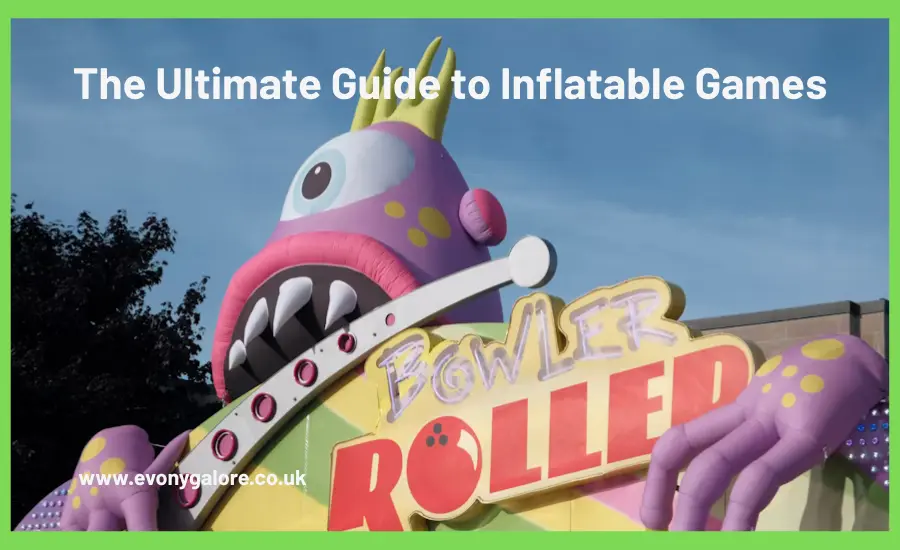
The Ultimate Guide to Inflatable Games: Transforming Events and Entertainment in 2025
Inflatable games have revolutionized the entertainment industry, becoming an indispensable element of celebrations, corporate events, community gatherings, and recreational facilities worldwide. These vibrant, bouncy structures have evolved far beyond simple bounce houses to encompass an impressive array of interactive experiences that captivate audiences of all ages. From towering obstacle courses that challenge athletic prowess to whimsical designs that spark childhood imagination, inflatable games represent a dynamic intersection of safety, fun, and versatility that continues to shape how we celebrate and play.
The appeal of inflatable games extends well beyond their colorful exteriors and playful designs. These entertainment solutions offer event planners, parents, and business owners a unique combination of scalability, portability, and universal appeal that traditional entertainment options simply cannot match. As we progress through 2025, the inflatable games industry continues to innovate with enhanced safety features, eco-friendly materials, and increasingly sophisticated designs that push the boundaries of what these structures can achieve. Understanding the full spectrum of options, benefits, and considerations surrounding inflatable games has become essential for anyone looking to create memorable experiences or invest in the booming party rental market.
Understanding the Diverse World of Inflatable Games
The contemporary landscape of inflatable games encompasses far more variety than many people realize, with specialized designs catering to different age groups, event types, and entertainment objectives. Traditional bounce houses remain popular staples, featuring enclosed jumping areas with mesh windows that allow for supervision while children expend energy in a safe, cushioned environment. These classic structures typically accommodate multiple children simultaneously and come in themes ranging from princess castles to superhero headquarters, ensuring there’s an aesthetic match for virtually any party theme or personal preference.
Inflatable obstacle courses represent the athletic evolution of bounce house technology, offering competitive challenges that engage participants in physical activities requiring agility, balance, and speed. These elaborate structures often stretch thirty to fifty feet in length and incorporate climbing walls, crawl-through tunnels, barrier walls, and finishing slides that create an adventure course experience. Many obstacle courses are designed with dual lanes, enabling head-to-head competitions that add an exciting element of rivalry to birthday parties, team-building events, and community festivals. The physical demands of these courses make them particularly popular for older children, teenagers, and even adults seeking active entertainment options.
Water slides and inflatable water parks have carved out their own substantial niche within the inflatable games category, providing refreshing entertainment solutions for warm-weather events. These structures range from modest backyard water slides measuring fifteen feet to impressive commercial-grade water parks featuring multiple slides, splash pools, climbing walls with water cannons, and integrated sprinkler systems. The dual appeal of cooling water play combined with the excitement of bouncing and sliding makes these inflatables especially popular during summer months, though their setup requirements regarding water access and drainage considerations mean they demand more logistical planning than their dry counterparts.
Interactive inflatable games introduce competitive elements beyond simple racing, incorporating activities like inflatable jousting arenas, basketball shootout challenges, soccer dart boards, and bungee run competitions. These specialized structures often serve as centerpiece attractions at corporate events, school carnivals, and fundraisers because they create spectator-friendly entertainment that encourages participation while drawing crowds. The versatility of interactive inflatables makes them valuable investments for rental companies, as a single structure can provide hours of rotating entertainment as different participants take turns competing, and the visible nature of the competition generates organic audience engagement that enhances overall event energy.
Key Benefits of Incorporating Inflatable Games into Events
The safety advantages of inflatable games compared to traditional playground equipment represent one of their most compelling attributes, particularly for parents and event organizers prioritizing participant well-being. The soft, cushioned surfaces created by constant air pressure provide natural shock absorption that significantly reduces injury risks associated with falls, collisions, and typical play roughhousing. Modern inflatable games incorporate reinforced seams, commercial-grade PVC or vinyl materials, and redundant anchoring systems that ensure structural integrity even during enthusiastic use. Additionally, the enclosed nature of many inflatables creates defined play spaces that simplify supervision, allowing adults to monitor activities effectively while maintaining clear sightlines to all participants within the structure.
Versatility stands as another defining advantage of inflatable games, with options suitable for intimate backyard gatherings of ten children or massive festivals entertaining thousands of attendees throughout a weekend. This scalability enables event planners to match entertainment precisely to their specific needs without overcommitting resources or leaving guests underwhelmed. Indoor inflatables designed for gymnasium or community center use extend the utility of these structures beyond outdoor events, providing year-round entertainment options unaffected by weather conditions. The rapid setup and takedown processes associated with quality inflatables typically require between thirty minutes to two hours, depending on complexity means that entertainment can be deployed efficiently without consuming entire days for preparation or cleanup.
The economic value proposition of inflatable games makes them attractive both for rental customers and entrepreneurial investors entering the party entertainment market. For consumers, renting inflatable games typically costs significantly less than alternative entertainment options like hiring performers, mobile gaming units, or organizing elaborate activity programs requiring multiple staff members and extensive supplies. The per-child entertainment value often works out to just a few dollars per hour, making inflatables among the most cost-effective solutions for keeping large groups engaged. For rental business operators, the combination of high demand, relatively low maintenance requirements once initial purchase costs are recovered, and the ability to book individual units multiple times per weekend creates favorable profit margins that have fueled substantial industry growth over the past decade.
Inflatable games also deliver significant social and developmental benefits that extend beyond simple entertainment value. These structures naturally encourage physical activity during an era when childhood obesity and sedentary behaviors generate increasing health concerns among pediatric specialists and educators. The act of bouncing, climbing, sliding, and navigating obstacle courses provides cardiovascular exercise, develops motor skills, improves balance and coordination, and builds physical confidence in a context that feels purely recreational rather than prescribed exercise. The group nature of inflatable play fosters social interaction, cooperation, turn-taking, and friendly competition, valuable interpersonal skills that children develop organically while simply having fun with peers in an engaging environment.
Essential Safety Considerations and Best Practices
Establishing comprehensive safety protocols forms the foundation of responsible inflatable game usage, beginning with proper installation by trained operators who understand manufacturer specifications and local regulations. Professional setup includes selecting appropriate surfaces free from sharp objects, rocks, or significant slopes that could compromise stability, followed by securing the inflatable with heavy-duty stakes, sandbags, or other anchoring systems rated for the structure’s size and expected wind conditions. Continuous air blowers must be positioned safely with electrical connections protected from moisture, cords secured to prevent tripping hazards, and sufficient ventilation around motor housings to prevent overheating during extended operation periods.
Weather monitoring represents a critical ongoing responsibility when operating outdoor inflatable games, as wind conditions pose the most significant safety threat to these structures. Most manufacturers specify maximum wind speeds between fifteen and twenty-five miles per hour, depending on the inflatable’s size, profile, and anchoring system, with operations ceasing immediately when conditions exceed these thresholds. Rain creates additional concerns by making inflatable surfaces slippery and potentially compromising electrical components if water reaches blower motors or connections. Responsible operators maintain weather monitoring protocols throughout events and establish clear evacuation procedures that can be executed quickly if conditions deteriorate, prioritizing participant safety over entertainment continuity.
Capacity limitations and age-appropriate usage guidelines require strict enforcement to maintain safe play environments within inflatable games. Every commercial-grade inflatable includes manufacturer specifications regarding maximum occupancy, typically based on combined participant weight and size rather than simple headcount. Mixing significantly different age groups within single inflatable units increases collision risks and intimidation factors that diminish enjoyment for smaller or younger children while potentially causing unintentional harm. Effective supervision strategies include designating responsible adults as inflatable monitors who actively watch participants, enforce rules regarding prohibited behaviors like roughhousing or climbing on walls, and manage entry to prevent overcrowding during peak interest periods.
Types of Inflatable Games and Their Ideal Applications
Residential and Backyard Party Options:
- Compact Bounce Houses: Designed for standard suburban yards, typically measuring 10×10 to 15×15 feet, perfect for birthday parties with 8-15 children
- Combo Units: Featuring bounce areas combined with small slides, offering varied entertainment in space-efficient designs
- Themed Inflatables: Character-specific designs matching popular children’s entertainment properties, creating immersive party experiences
- Toddler-Specific Structures: Lower walls, gentler slopes, and smaller scales designed specifically for children aged 2-5 years
Commercial and Large Event Solutions:
- Mega Obstacle Courses: Premium structures spanning 40-100 feet featuring multiple challenge elements and high throughput capacity
- Interactive Game Systems: Electronically enhanced inflatables incorporating lights, sounds, scoring systems, and competitive elements
- Modular Inflatable Parks: Connectable units creating customized layouts matching venue dimensions and event themes
- Extreme Sports Simulators: Specialized inflatables replicating surfing, mechanical bull riding, or rock climbing experiences
The selection process for inflatable games should align closely with event objectives, audience demographics, available space, and logistical capabilities. Intimate family celebrations typically achieve optimal results with single medium-sized units that provide sufficient entertainment without overwhelming the venue or requiring extensive setup resources. Corporate team-building events and school functions often benefit from interactive competitive inflatables that facilitate structured activities and promote group participation. Large community festivals and commercial venues require high-capacity structures with impressive visual appeal that can accommodate continuous participant rotation throughout extended operating hours while serving as landmark attractions that draw attendees across event grounds.
Comparative Analysis: Inflatable Games vs. Traditional Entertainment Options
| Factor | Inflatable Games | Traditional Entertainment | Winner |
| Setup Time | 30 minutes – 2 hours | Varies widely (minutes to days) | Inflatable Games |
| Physical Activity Level | High – constant movement | Low to moderate | Inflatable Games |
| Weather Dependency | Moderate – affected by wind/rain | Varies by activity type | Tie |
| Supervision Requirements | 1-2 adults per unit | Varies significantly | Traditional |
| Age Range Accommodation | Specific to unit design | Often more flexible | Traditional |
| Transportation/Storage | Requires trailer/large vehicle | Usually more portable | Traditional |
| Per-Child Entertainment Cost | $2-8 per hour, typically | $5-20+ per hour typically | Inflatable Games |
| Repeat Entertainment Value | High for young children | Varies by activity | Tie |
| Space Requirements | 15×15 to 50×100+ square feet | Highly variable | Depends on context |
| Maintenance Between Uses | Cleaning, inspection, repairs | Minimal to extensive | Depends on the option |
The Business Perspective: Investing in Inflatable Game Rentals
The inflatable game rental industry has demonstrated remarkable resilience and growth, driven by consistent demand across multiple market segments, including private parties, corporate events, schools, churches, and municipal recreation programs. Entry into this business requires substantial initial capital investment, with commercial-grade inflatables ranging from twelve hundred dollars for basic bounce houses to fifteen thousand dollars or more for elaborate obstacle courses and interactive game systems. Successful operators typically begin with a carefully curated starter inventory of three to five versatile units that address different event types and age groups, allowing for multiple simultaneous bookings during peak weekend periods while building business reputation through consistent service quality.
Marketing strategies for inflatable rental businesses have evolved significantly, with digital platforms now dominating customer acquisition channels. Comprehensive websites featuring high-quality photography, detailed unit specifications, transparent pricing, and integrated booking systems serve as the foundation of modern rental operations. Search engine optimization focusing on local geographic keywords, combined with strategic use of social media platforms showcasing events and satisfied customers, generates organic visibility that supplements paid advertising efforts. Many successful operators leverage customer relationship management systems to encourage repeat bookings through anniversary reminders, loyalty discounts, and referral incentive programs that transform satisfied customers into ongoing marketing advocates.
Operational excellence separates thriving inflatable rental businesses from competitors struggling to achieve profitability in increasingly competitive markets. This excellence encompasses reliable delivery and setup within promised timeframes, meticulous equipment maintenance ensuring units appear fresh and function properly, comprehensive insurance coverage protecting both business assets and client liabilities, and responsive customer service that addresses questions and concerns promptly throughout the rental process. Seasonal demand fluctuations require strategic financial management, with peak summer and spring months generating revenue that must sustain operations through slower winter periods in many regions. Diversification strategies, including offering indoor units, partnering with corporate event planners, and developing relationships with schools for fundraising events, help stabilize revenue streams across calendar variations.
Maintenance, Cleaning, and Longevity of Inflatable Games
Proper maintenance protocols directly impact both the safety and financial returns of inflatable game investments, with well-maintained units routinely providing five to ten years of reliable service while neglected equipment fails prematurely and presents safety hazards. Post-event cleaning begins with allowing inflatables to dry completely before packing, as moisture trapped during storage creates ideal conditions for mold and mildew growth that degrades materials and creates health concerns. Thorough cleaning using mild soap solutions and soft brushes removes dirt, grass stains, and other debris without damaging vinyl surfaces, while disinfecting protocols using appropriate antimicrobial solutions address hygiene concerns, particularly relevant when units are used repeatedly by different groups.
Regular inspection routines identify developing issues before they escalate into major repairs or safety failures. These inspections examine seam integrity, searching for signs of separation or weakening threads that indicate stress points requiring reinforcement. Vinyl surfaces are checked for tears, punctures, or excessive wear that compromises structural integrity or creates snagging hazards. Blower systems require attention to motor function, air flow efficiency, and electrical connections to ensure consistent inflation throughout operating periods. Anchoring systems, including stakes, straps, and attachment points, need evaluation for wear, rust, or damage that could compromise securing capabilities during windy conditions.
Repair capabilities significantly extend the operational lifespan of inflatable games while controlling operational costs that would otherwise accumulate through constant professional service requests. Most inflatable damage falls into categories easily addressed through patch kits using vinyl adhesive compounds and matching material swatches that create durable repairs when applied properly to clean, dry surfaces. Seam separations typically require industrial-strength thread and heavy-duty sewing machines capable of penetrating multiple vinyl layers, though professional repair services may prove more economical for extensive seam damage requiring specialized expertise. Maintaining detailed service logs documenting repairs, routine maintenance, and any incidents during use creates valuable records for warranty claims, insurance purposes, and resale documentation should owners eventually upgrade their inventory.
Future Trends and Innovations in Inflatable Entertainment
The inflatable games industry continues evolving through technological integration, environmental consciousness, and design sophistication that promises to expand applications and appeal moving forward. Interactive technology, including motion sensors, LED lighting systems, audio components, and electronic scoring mechanisms, increasingly appears in premium inflatable designs, creating immersive experiences that blend physical activity with digital engagement, appealing to tech-savvy younger generations. Augmented reality overlays projected onto inflatable surfaces represent an emerging frontier, potentially transforming simple bounce houses into fantastical environments where physical and digital worlds merge into unified entertainment experiences.
Sustainability concerns are driving material innovations as manufacturers respond to consumer preferences for environmentally responsible products. Research into biodegradable vinyl alternatives, recyclable component systems, and energy-efficient blower motors reflects industry awareness that environmental stewardship will increasingly influence purchasing decisions. Some forward-thinking companies are developing inflatable rental models incorporating carbon offset programs, where e portion of rental fees funds environmental initiatives that neutralize the carbon footprint associated with manufacturing, transportation, and operation of inflatable units.
The expansion of adult-oriented inflatable experiences represents significant growth potential as demographic targeting becomes more sophisticated. Inflatable obstacle course races, extreme sports simulations, and competitive team challenges designed specifically for adult participants are attracting new market segments previously underserved by equipment perceived as primarily children’s entertainment. Corporate wellness programs increasingly incorporate inflatable activities as team-building exercises that promote physical activity while creating memorable bonding experiences outside traditional office environments. This demographic expansion benefits rental operators by reducing seasonal dependency, as adult events distribute more evenly across calendar years compared to child-focused birthday parties concentrated in warmer months.
Conclusion:
Inflatable games have firmly established themselves as cornerstone entertainment solutions offering unmatched versatility, safety, and engagement across diverse applications from intimate family celebrations to large-scale public festivals. Their continued evolution through design innovation, technological integration, and quality improvements ensures these colorful structures will remain relevant and appealing for years to come. Whether you’re a parent planning a memorable birthday celebration, an event organizer seeking crowd-pleasing attractions, or an entrepreneur evaluating business opportunities in the party rental market, understanding the full scope of inflatable game options, benefits, and best practices enables informed decisions that maximize entertainment value while prioritizing safety and satisfaction.
The key to successful inflatable game experiences lies in thoughtful selection, matching equipment capabilities to event requirements, rigorous attention to safety protocols throughout planning and operation, and commitment to quality, whether renting equipment or providing rental services. As this dynamic industry continues advancing, staying informed about emerging trends, maintaining high standards for equipment condition and operational practices, and prioritizing user experience above all else will ensure that inflatable games continue delivering the joy, excitement, and memorable moments that have made them beloved entertainment staples across generations and cultures worldwide.