The Complete Guide to Playing the Card Game Spoons: Rules, Strategies, and Fun Variations
The card game Spoons has been a beloved party game and family entertainment staple for generations, combining the strategic elements of card matching with the physical excitement of a musical chairs-style competition. This fast-paced, competitive game creates an atmosphere of anticipation and hilarity that appeals to players of all ages. Whether you’re planning a family game night, looking for an icebreaker activity, or simply want to add a new game to your repertoire, understanding how to play the card game Spoons will provide hours of entertainment and memorable moments.
- Understanding the Basics: What Makes Spoons Unique
- Essential Equipment and Setup Requirements
- Step-by-Step Instructions: How Do You Play the Card Game Spoons
- Strategic Approaches and Winning Techniques
- Game Variations and Alternative Rules
- Age-Appropriate Modifications and Safety Considerations
- Troubleshooting Common Issues and Frequently Asked Questions
- Hosting a Successful Spoons Game Night
- The Social and Cognitive Benefits of Playing Spoons
- Conclusion:
Understanding the Basics: What Makes Spoons Unique
Spoons is a card-passing game that blends concentration, speed, and observation skills into one thrilling package. The game’s unique appeal lies in its dual nature, requiring players to simultaneously focus on collecting matching cards while remaining vigilant about when to grab a spoon. This combination of mental strategy and physical action creates an engaging dynamic that keeps every participant actively involved throughout the entire game. Unlike purely strategic card games, where players take turns, Spoons maintains constant motion and tension, as the card-passing happens rapidly and continuously until someone completes their set.
The game’s accessibility is one of its strongest features. Players don’t need extensive card game knowledge or complex rule memorization to participate. The fundamental concept is straightforward enough for young children to grasp, yet the competitive element and quick decision-making required make it equally entertaining for teenagers and adults. This universal appeal has helped Spoons maintain its popularity across different cultures and generations, becoming a fixture at gatherings ranging from children’s birthday parties to college dorm rooms and family reunions.
Essential Equipment and Setup Requirements
Before learning how to play the card game Spoons, you’ll need to gather the necessary materials and prepare your playing area. The equipment requirements are minimal and readily available in most households, making this an accessible game that doesn’t require special purchases or expensive gaming supplies.
-
Standard deck of playing cards: A complete 52-card deck is essential. You can use cards with any design, though cards in good condition work best for smooth passing. If you have a large group exceeding thirteen players, you may need two decks combined.
-
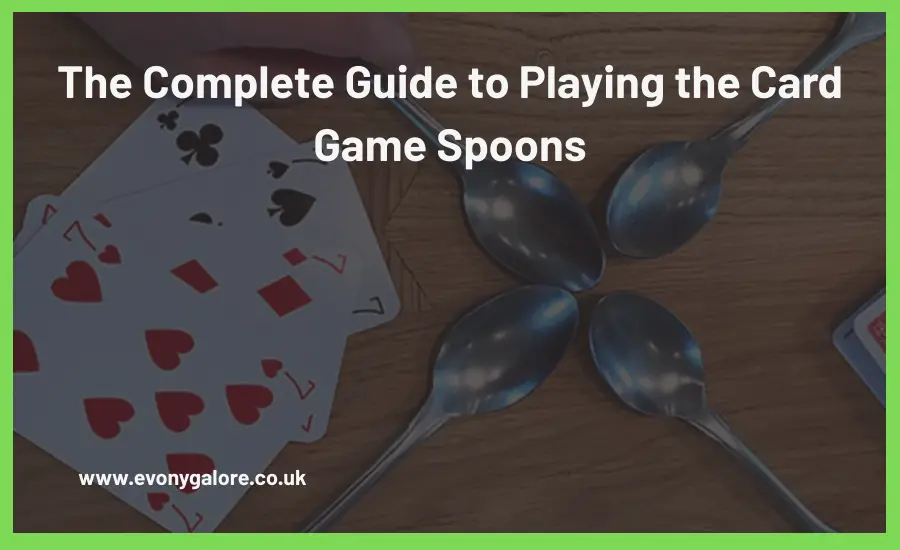
Spoons or similar objects: You’ll need exactly one fewer spoon than the total number of players. For example, if six people are playing, place five spoons in the center. Metal spoons work well, but you can substitute them with other safe objects like pencils, markers, or small toys if spoons aren’t available.
-
Adequate playing surface: A table large enough for all players to sit comfortably around works best, though you can adapt the game for floor play if needed.
-
Central collection area: Ensure the spoons are arranged in the middle of the playing space, where every player has equal access to grab them quickly.
The setup process begins with arranging seating so that all participants can easily reach the center pile of spoons. Position the spoons radiating outward from the center like spokes on a wheel, or pile them loosely in the middle. The key is ensuring no player has a significant advantage in reaching the spoons. Next, designate one player as the dealer, who will be responsible for shuffling the deck thoroughly and dealing the initial hands. The dealer should also understand that their position involves starting the card-passing chain once the game begins.
Step-by-Step Instructions: How Do You Play the Card Game Spoons
Understanding how to play the card game Spoons involves mastering several key phases, from the initial deal to the exciting conclusion when someone grabs that first spoon. Let’s break down the entire process into clear, manageable steps that will have you playing confidently in no time.
Phase One: Dealing and Initial Hand Setup
The dealer begins by counting out four cards for each player from the shuffled deck. Each player receives exactly four cards, dealt face down. Players should pick up their cards and examine them while keeping them hidden from opponents. The remaining deck becomes the draw pile, which the dealer keeps face down in front of their position. This draw pile is crucial because the dealer will continuously draw from it to keep the game moving.
At this point, players should evaluate their starting hands and begin thinking strategically about which rank of cards they want to collect. The objective is to collect four cards of the same rank, such as four Jacks, four Sevens, or four Aces. Suits don’t matter in Spoons, only the number or face value. Players should identify if they already have any pairs or three-of-a-kind in their initial hand, as this provides direction for their strategy.
Phase Two: The Card-Passing Mechanism
Once everyone has examined their initial cards, the game begins with the dealer drawing the top card from the draw pile and adding it to their hand. Now holding five cards, the dealer must quickly decide which card to discard. They pass one unwanted card face-down to the player on their left. This creates a continuous chain reaction around the table.
The player receiving a card from the dealer now has five cards. They must immediately pick up the received card, evaluate their hand, select one card to discard, and pass it face-down to the person on their left. This process continues rapidly around the entire circle. Each player is constantly receiving a card from their right, incorporating it into their hand, and passing an unwanted card to their left. The speed of this passing is what makes Spoons so exciting and challenging.
The dealer maintains the flow by continuously drawing cards from the draw pile and passing cards left. There should never be a pause in this action. If the dealer exhausts the draw pile before anyone gets four-of-a-kind, they can quickly shuffle the discard pile (cards from the last player in the circle) and continue drawing. The game doesn’t stop until someone collects four matching cards.
Phase Three: Completing a Set and Grabbing Spoons
The pivotal moment arrives when a player successfully collects four cards of the same rank. At this instant, that player must subtly and quietly take a spoon from the center pile. This is where strategy and psychology enter the game. Some players grab quickly and obviously, while others employ a more subtle approach, slowly reaching for a spoon while maintaining their poker face to avoid immediately alerting opponents.
Once the first spoon is taken, chaos typically ensues. Other players, whether they have four-of-a-kind or not, must immediately grab for the remaining spoons. Since there’s always one fewer spoon than players, one person will inevitably be left without a spoon. The player who fails to secure a spoon is eliminated from that round and typically receives a letter in the word “SPOONS” (similar to the basketball game “HORSE”).
Phase Four: Observation and Peripheral Awareness
A crucial skill in Spoons involves maintaining awareness of both your cards and the spoon pile simultaneously. Experienced players develop peripheral vision techniques, allowing them to track spoon availability without obviously staring at the center pile, which would alert opponents that something is happening. This dual focus represents the game’s most challenging aspect, requiring players to process their incoming cards quickly while remaining alert to any movement around the spoons.
Some players adopt the strategy of watching their opponents’ hands and faces rather than the spoons themselves. When you notice someone’s expression change or see their hand slowly moving toward the center, you know it’s time to grab a spoon, even if you haven’t completed your set. This reactive approach can save you from elimination, though it means potentially winning rounds without actually achieving the card-collecting objective.
Strategic Approaches and Winning Techniques
Mastering how to play the card game Spoons at a competitive level requires developing effective strategies that go beyond simply understanding the basic rules. Experienced players employ various tactical approaches to increase their winning chances and consistently avoid elimination.
Card Selection Strategy: When you receive your initial hand, quickly identify any pairs or potential sets. Commit to collecting one specific rank early in the game rather than switching between different possibilities. If you start with two Fives, focus exclusively on collecting Fives and immediately discard any other cards. Changing your collection goal mid-game wastes time and reduces your chances of success. However, remain flexible enough to recognize when your chosen rank isn’t appearing frequently, and be willing to pivot to a different rank if you receive multiple matching cards of another value.
Speed and Efficiency: Practice picking up, evaluating, and passing cards in one smooth motion. Hesitation creates bottlenecks in the passing chain and gives opponents more time to complete their sets. Develop a rhythm where you’re almost automatically passing cards, only retaining those that match your target rank. Keep your cards organized in your hand so you can quickly identify which to discard. Some players arrange their cards by value, making it instantly obvious which cards don’t match their collection goal.
Psychological Tactics: Advanced players sometimes use misdirection and subtle psychological warfare. They might occasionally glance meaningfully at the spoons even when far from completing their set, causing nervous opponents to make premature grabs. Conversely, when you do complete your set, maintain your card-passing rhythm for a few extra seconds before reaching for a spoon, making your grab less obvious. Control your facial expressions and body language to avoid telegraphing your success.
Positioning Advantage: If possible, try to secure a seat that provides optimal access to the spoon. Positions directly facing the spoon pile often have slight advantages over those at awkward angles. However, don’t underestimate corner positions, which can provide good sightlines to watch multiple opponents simultaneously.
Game Variations and Alternative Rules
The standard version of Spoons provides excellent entertainment, but exploring variations can refresh the game, accommodate different group dynamics, or introduce new challenges. These modifications demonstrate the game’s flexibility and help maintain interest over multiple gaming sessions.
Tongue Variation: Instead of spoons, players grab their own tongue when they get four of a kind. This eliminates the physical scrambling element but requires even more careful observation, as players must notice when someone has subtly stuck out their tongue. Once you spot someone displaying their tongue, you must quickly do the same. The last player to realize what’s happening and stick out their tongue loses the round. This variation works particularly well in situations where physical grabbing might be problematic or when playing with very young children.
Pig Variation: Similar to the tongue version, players touch their nose when they achieve four-of-a-kind. Other players must quickly touch their noses when they notice. This creates a hilarious domino effect as awareness spreads around the table, with the last person to touch their nose being eliminated.
Knife and Spoon Combo: For a more challenging variation, place both knives and spoons in the center, one of each for every player. When someone gets four-of-a-kind, they grab a spoon. Everyone else must then grab for the remaining utensils. However, players who grab knives are immediately eliminated, while only the person without any utensil loses in the standard way. This variation rewards careful observation over blind grabbing.
Multiple Rounds Tournament: Rather than playing single elimination rounds, use a tournament format where players accumulate points across multiple rounds. Award three points for completing the four-of-a-kind, two points for grabbing a spoon (even without completing the set), and zero points for being eliminated. Play to a predetermined point total like fifty points. This variation allows eliminated players to continue participating and turns Spoons into a longer, more strategic competition.
Age-Appropriate Modifications and Safety Considerations
When teaching Spoons to younger children, patience and modified rules ensure everyone enjoys the experience. Consider dealing only three cards instead of four and requiring only three-of-a-kind for younger players. This simplification reduces the memory burden and shortens the time needed to complete sets. Demonstrate the card-passing motion several times before starting, and conduct a few practice rounds where you pause to help children evaluate their cards and decide which to pass.
Safety should always remain paramount, especially with enthusiastic or competitive groups. Establish a clear “no contact” rule where players cannot physically impede others from reaching spoons. Position spoons so that grabbing them doesn’t require reaching across other players. If playing with particularly competitive participants or in cramped spaces, consider using the tongue or nose variation instead of physical objects. Remove any fragile items from the immediate play area, as the excitement of grabbing spoons can lead to knocked-over drinks or displaced objects.
Troubleshooting Common Issues and Frequently Asked Questions
What happens if two players grab the same spoon simultaneously? This common situation requires immediate resolution. The fairest approach is determining who touched the spoon first, but this isn’t always obvious. Many groups establish a house rule that whoever has the firmest grip on the spoon when everyone stops keeps it. Alternatively, both players can be declared safe, and a different player who was slower loses that round.
Can you change which rank you’re collecting mid-game? Absolutely. While committing to one rank increases efficiency, you’re free to change your collection goal at any time. If you’re collecting Tens but suddenly receive three Queens, switching to Queens makes strategic sense.
What if the dealer runs out of draw pile cards? Simply gather the cards accumulated by the last player in the passing chain, shuffle them quickly, and create a new draw pile. The passing never stops during this shuffle.
Is grabbing a spoon without four-of-a-kind allowed? Yes! Nothing in the rules prevents you from grabbing a spoon at any time. However, if you grab when no one else has four-of-a-kind, you’ll alert everyone to watch more carefully, potentially costing you future rounds. Smart players sometimes grab preemptively when they notice others reaching, even without completing their own set.
How do you handle accusations of cheating or premature grabbing? Establish clear rules before starting that everyone agrees upon before starting. Transparency is key—players should grab spoons openly, not hide them. If disputes arise frequently, consider appointing one person as a non-playing referee for particularly competitive groups.
Hosting a Successful Spoons Game Night
Creating the ideal environment for Spoons can elevate the experience from a simple card game to a memorable social event. Consider the atmosphere, refreshments, and group dynamics when planning your game session. Lighting should be adequate for all players to clearly see their cards without strain, but dim enough to potentially miss subtle spoon grabs if you’re not paying attention.
Seating arrangement significantly impacts game flow. Round tables work best, but rectangular tables can accommodate larger groups. Ensure everyone has comfortable seating at appropriate heights for easy card handling. Keep the playing surface clear of unnecessary items that might interfere with passing cards or grabbing spoons. Having refreshments nearby encourages longer gaming sessions, but keep drinks at a safe distance from the playing area to prevent spills during the excitement of spoon-grabbing moments.
Group size flexibility is one of Spoons’ greatest strengths. While the game works with as few as three players, it truly shines with six to ten participants. Larger groups create more chaos and excitement during spoon-grabbing moments, while smaller groups allow for faster-paced card passing and more strategic play. For very large gatherings exceeding twelve people, consider running two simultaneous Spoons games rather than one unwieldy large game, then having winners face off in a championship round.
The Social and Cognitive Benefits of Playing Spoons
Beyond pure entertainment, Spoons offers numerous developmental and social benefits that make it valuable for players of all ages. The game exercises multiple cognitive skills simultaneously, including pattern recognition, decision-making under pressure, short-term memory, and divided attention. Players must quickly identify matching cards while processing new information constantly flowing into their hands, stimulating rapid mental processing.
The social dynamics fostered by Spoons create opportunities for bonding and interaction that many modern activities lack. The game’s fast-paced nature breaks down social barriers quickly, as the shared excitement and laughter create instant camaraderie among players. For families, Spoons provides rare intergenerational entertainment where grandparents, parents, and children compete on equal footing, with success depending more on alertness and quick reactions than complex strategy or extensive game knowledge.
For educators and youth leaders, Spoons serves as an excellent icebreaker activity. The game requires minimal explanation, includes everyone simultaneously, and generates energy and enthusiasm that carries over into subsequent activities. The low-stakes competition allows participants to interact without the pressure of more serious competitive environments, helping shy individuals come out of their shells.
Conclusion:
Learning how to play the card game Spoons opens the door to countless hours of entertainment and social connection. This simple yet engaging game combines the best elements of card games and physical challenges into one accessible package that appeals across generations and skill levels. Whether you’re seeking a quick party game, a family bonding activity, or a competitive tournament format, Spoons adapts beautifully to your needs.
The game’s enduring popularity stems from its perfect balance of simplicity and excitement. New players can jump in immediately without extensive rule explanations, yet the game offers enough depth and variation to remain interesting after dozens of plays. The combination of card strategy and physical action creates unique moments of suspense and hilarity that purely mental or purely physical games cannot replicate.
As you incorporate Spoons into your regular gaming rotation, you’ll develop your own house rules, strategies, and memorable moments that make each game session unique. The true magic of Spoons lies not just in the rules or winning strategies, but in the shared experiences, laughter, and friendly competition it generates. So gather your friends and family, grab a deck of cards and some spoons, and discover why this timeless game continues captivating players generation after generation. The excitement of that first spoon grab awaits, promising entertainment that’s just as thrilling whether you’re playing for the first time or the hundredth.