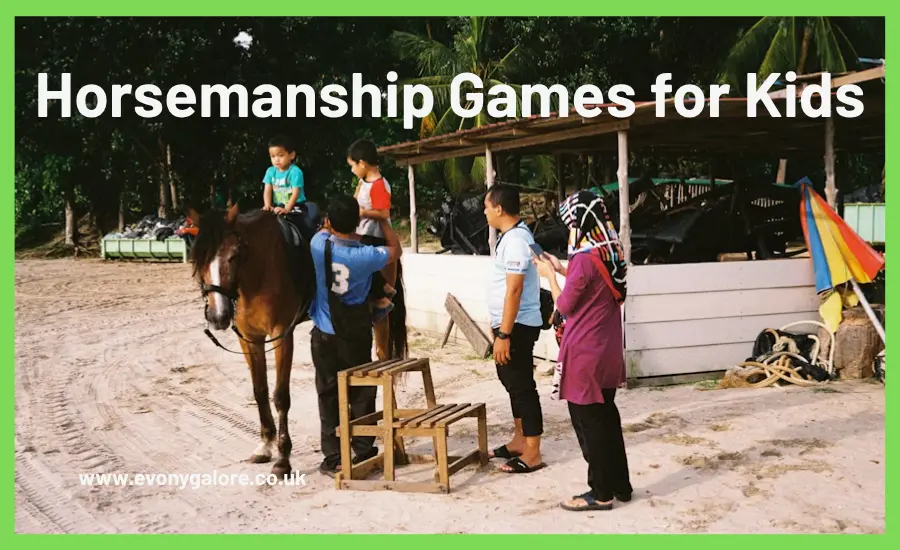
Horsemanship Games for Kids: Building Confidence and Skills Through Fun Equestrian Activities
The world of equestrian education has evolved significantly over the years, with horsemanship games for kids emerging as one of the most effective methods for teaching young riders essential skills while keeping them engaged and enthusiastic. These interactive activities serve as powerful learning tools that transform traditional riding lessons into exciting adventures, helping children develop both their physical abilities and emotional connections with horses. When structured properly, these games create an environment where kids can learn foundational equestrian principles without feeling overwhelmed by the technical aspects of horseback riding.
Horsemanship games for kids encompass a wide variety of activities designed to teach children everything from basic horse care and safety protocols to advanced riding techniques and competitive skills. These games are not merely entertainment; they represent a carefully crafted educational approach that addresses the unique learning styles of young equestrians. By incorporating elements of play into instruction, trainers and parents can help children overcome fear, build confidence, develop muscle memory, and foster a deep respect for these magnificent animals. The beauty of these games lies in their versatility; they can be adapted for different age groups, skill levels, and learning objectives, making them accessible to beginners while still challenging for more experienced young riders.
The Educational Foundation of Equestrian Play Activities
Understanding the pedagogical principles behind horsemanship games for kids reveals why these activities have become staples in modern equestrian education programs. Children learn best through active participation and experiential learning, and traditional lecture-style instruction often fails to capture their attention or facilitate retention of important information. When young riders engage in games, they activate multiple learning pathways simultaneously: kinesthetic learning through physical movement, visual learning through observation and demonstration, and cognitive learning through problem-solving and strategy development.
The psychological benefits of incorporating games into horsemanship training extend far beyond simple enjoyment. These activities help reduce anxiety that many children experience when first encountering horses, which are large, powerful animals that can seem intimidating to small children. Through structured play, kids gradually become comfortable in the barn environment, learning to read horse body language and communicate effectively with their equine partners. Games also provide immediate feedback in a low-pressure setting, allowing children to make mistakes and learn from them without the fear of failure that sometimes accompanies formal riding lessons. This approach aligns with contemporary educational theory that emphasizes a growth mindset and resilience building.
Furthermore, horsemanship games for kids address the physical demands of riding in an age-appropriate manner. Young bodies are still developing, and the strength, balance, and coordination required for proper riding technique can be challenging to master through repetition alone. Games that incorporate riding skills, such as posting trot races, steering obstacle courses, or mounted catch games, allow children to practice these movements repeatedly while their focus remains on the fun activity rather than the technical execution. This unconscious competence development often leads to faster skill acquisition and more natural riding positions than traditional drilling methods achieve.
Ground-Based Horsemanship Games That Build Essential Skills
Before children mount horses, establishing solid groundwork skills provides a crucial foundation for safe and effective riding. Ground-based horsemanship games for kids offer an excellent starting point for introducing young learners to equine interaction while keeping both horse and child safe. These activities teach respect, spatial awareness, and communication skills that will serve riders throughout their equestrian journey.
One popular ground game is the “Red Light, Green Light” variation adapted for horses, where children practice leading their horses and executing halt transitions on command. This game teaches kids to maintain appropriate positioning beside the horse’s shoulder, use clear body language signals, and develop awareness of their horse’s movement and responsiveness. As children progress, instructors can add complexity by introducing backing up (reverse on command), turning on the forehand, or navigating simple obstacle courses while leading. These variations keep the game fresh and challenging while systematically building the child’s handling confidence and the horse’s responsiveness to ground cues.
The “Grooming Relay Race” represents another engaging ground-based activity that teaches proper horse care while fostering teamwork and attention to detail. Divided into teams, children race to complete grooming tasks correctly, brushing specific body areas, picking out hooves, or applying fly spray with emphasis on both speed and quality of work. Instructors can judge based on thoroughness and proper technique rather than pure speed, ensuring that kids learn the importance of doing the job correctly rather than just quickly. This game naturally teaches children the names of grooming tools, the reasons behind each grooming step, and the proper approach to sensitive areas of the horse’s body.
“Horse Simon Says” provides an entertaining method for teaching barn safety rules and horse handling etiquette. The instructor calls out actions, “Simon says check the horse’s hooves for stones,” or “Simon says stand at the horse’s shoulder,” and children must follow only when prefaced with “Simon says.” This game reinforces proper positioning around horses, safe approach techniques, and appropriate interaction boundaries. It also allows instructors to observe which safety concepts children have internalized and which require additional emphasis, making it both an educational tool and an assessment method.
Mounted Horsemanship Games for Developing Riding Proficiency
Once children have established basic riding skills and demonstrate appropriate control, mounted horsemanship games for kids can accelerate their development while maintaining high engagement levels. These activities must be carefully supervised and matched to each rider’s ability level to ensure safety while providing appropriate challenges.
The classic “Egg and Spoon Race” adapts beautifully to horseback riding, teaching children to maintain steady, balanced seats while controlling their horses’ pace. Riders must carry a plastic egg on a spoon (or, for advanced riders, a real egg) while walking or trotting around the arena without dropping it. This game provides immediate feedback about balance, rhythm, and the relationship between rider stability and effective aids. Children quickly discover that gripping tightly with their legs or bouncing in the saddle results in a dropped egg, while maintaining a deep, relaxed seat with following hips allows them to succeed. Variations include relay races, obstacle courses with eggs, or team competitions that add excitement and social elements to the learning experience.
“Barrel Racing for Beginners” introduces young riders to pattern work, steering precision, and pace control in a format that feels like a real rodeo event. Even at walk or slow trot speeds, navigating the cloverleaf barrel pattern requires riders to plan, use clear directional aids, and maintain balance through turns. This game teaches children to look where they want to go, use inside leg to outside rein steering principles, and manage their horse’s energy through transitions. As skills improve, instructors can gradually increase the difficulty by allowing faster speeds, tighter turns, or adding timed elements that motivate kids to refine their technique for improved performance.
The “Posting Trot Treasure Hunt” combines cardiovascular endurance building with trot mechanics practice in an adventure-style game. Instructors hide small flags, ribbons, or laminated cards around the arena, and riders must trot (posting correctly) to collect items while following specific rules about gait, direction, or pattern. This activity encourages sustained posting trot work, which many young riders find physically demanding and sometimes boring when practiced in isolation. By transforming the exercise into a collection quest or point-scoring competition, children willingly practice posting for extended periods, developing the leg strength and timing necessary for proper rising trot mechanics.
Team-Building Horsemanship Games That Foster Collaboration
Social development represents an important aspect of youth equestrian programs, and team-based horsemanship games for kids create opportunities for cooperation, communication, and collective problem-solving. These activities help children learn that horsemanship extends beyond individual riding skills to include supporting fellow riders and working together toward common goals.
Mounted Relay Races offer numerous variations that teach teamwork while practicing riding skills:
- Baton Pass Relay: Riders must successfully hand off a crop, flag, or pool noodle to the next team member, practicing control near other horses and precise positioning
- Costume Change Relay: Team members add or remove items of clothing or tack accessories during their leg of the race, teaching quick mounting/dismounting and efficiency
- Obstacle Relay: Each team member completes one section of a multi-part obstacle course before tagging the next rider, emphasizing individual contribution to team success
- Water Bucket Relay: Riders carry containers of water through a course, teaching steady hands and smooth riding to avoid spilling
The “Horse Whisperer Challenge” presents teams with a series of problem-solving scenarios that require them to work together to achieve objectives involving horses. One popular version involves a team using only verbal and visual cues (no touching) to guide a loose horse through a series of markers or into a designated area. This advanced game teaches children about the principles of pressure and release, horse psychology, and the power of calm, clear communication. It also demonstrates that effective horsemanship doesn’t always require physical control, helping children develop subtler, more respectful approaches to working with horses.
“Arena Cleanup Challenge” transforms mundane barn chores into a competitive team activity that teaches responsibility and barn management. Teams race to properly store equipment, arrange jumps in specific patterns, or reorganize a deliberately disorganized tack room while following all safety protocols. Instructors can award points for speed, organization quality, and proper handling of equipment, teaching kids that caring for the facility and gear represents an essential aspect of horsemanship. This game helps children understand that riding is just one component of equestrian life and that responsible riders contribute to maintaining safe, orderly barn environments.
Safety-Focused Games That Teach Risk Management
Safety consciousness forms the foundation of responsible horsemanship, and games specifically designed to reinforce safe practices help children internalize these principles. Rather than presenting safety as a list of restrictions, these horsemanship games for kids frame protective behaviors as skills to master and demonstrate.
The “Safety Scavenger Hunt” challenges children to identify and correct safety hazards around the barn environment. Working individually or in small groups, kids receive checklists of potential problems improperly latched gates, equipment left in walkways, frayed lead ropes, or horses without adequate water. Finding and addressing these issues (with supervision) teaches observational skills and reinforces that everyone shares responsibility for maintaining safe conditions. This game can be adapted seasonally to address weather-related concerns like ice in winter or heat stress in summer, keeping the content relevant year-round.
“Emergency Response Role-Play” helps older children and teenagers practice how to respond to various scenarios they might encounter while riding or working with horses. Through structured simulations, kids learn to handle situations like a loose horse, a rider falling, equipment failure, or an injured animal. Instructors guide students through proper response protocols, securing other horses, calling for help, providing first aid, or calming a panicked animal, building confidence that they can handle unexpected situations appropriately. This game acknowledges that accidents can occur despite best prevention efforts and empowers young riders with the knowledge and practiced responses that could prove crucial in real emergencies.
Age-Appropriate Horsemanship Game Categories
Different developmental stages require tailored approaches to horsemanship education, and the most effective games match children’s cognitive and physical abilities to appropriate challenges. Understanding these age-based categories helps instructors and parents select activities that will engage and educate without frustrating or overwhelming young participants.
| Age Group | Recommended Game Types | Key Learning Objectives | Example Activities |
|---|---|---|---|
| 4-6 Years | Simple ground games, sensory activities, basic care tasks | Horse anatomy, gentle touch, basic safety rules, overcoming fear | Pony puzzles, brushing games, color identification on tack, “Follow the Leader” ground work |
| 7-9 Years | Structured mounted games, pattern work, beginner competitions | Balance, steering, basic aids, gait recognition, independent riding | Egg and spoon, simple pole work, musical cones, dress-up relay races |
| 10-12 Years | Skill-building challenges, team events, and introduction to disciplines | Refined aids, jumping basics, discipline-specific skills, and horse care knowledge | Barrel patterns, gymnastic jumping, timed courses, and horse care quizzes |
| 13+ Years | Advanced competitions, mentorship roles, and leadership activities | Teaching others, discipline mastery, horse training principles, and competitive strategy | Schooling shows, assisting younger riders, training young horses, and course design |
Incorporating Educational Technology and Modern Learning Tools
Contemporary horsemanship programs increasingly integrate technology into traditional riding instruction, creating hybrid learning experiences that appeal to digitally native generations. While the hands-on nature of horse care and riding cannot be replaced, supplementary digital tools can enhance horsemanship games for kids by providing visual feedback, tracking progress, and extending learning beyond barn hours.
Video analysis has become an invaluable tool for helping young riders understand their position and technique. Instructors can film children participating in mounted games, then review the footage together, allowing kids to see what the correct position looks like versus their current form. This visual feedback often creates “lightbulb moments” where children suddenly understand corrections that verbal instruction alone couldn’t convey. Some progressive programs use tablet-based apps that overlay ideal position graphics on student videos, making it easy for kids to identify specific areas for improvement while celebrating aspects they’re executing well.
Virtual horsemanship games and simulation programs provide supplementary learning opportunities when weather, scheduling, or other factors prevent barn time. While these digital tools cannot replace actual horse interaction, they offer value for practicing pattern memorization, learning horse anatomy and care concepts, or understanding theoretical aspects of riding technique. Many young riders enjoy these programs as homework between lessons, reinforcing concepts introduced during barn time and keeping them engaged with equestrian learning even when they cannot be with horses physically.
Creating Inclusive Horsemanship Games for Diverse Abilities
The therapeutic and adaptive riding community has demonstrated that horsemanship games for kids can be modified to accommodate virtually any physical, cognitive, or emotional challenge. Creating inclusive programs that welcome children of all abilities enriches the experience for everyone involved and teaches valuable lessons about adaptation, patience, and celebrating diverse achievements.
For children with physical disabilities, many traditional horsemanship games can be adapted with simple modifications larger targets for throwing games, extended time limits for relay races, or partner systems where an aide provides physical support during mounted activities. The key lies in focusing on what each child can accomplish rather than limitations, designing game variations that challenge every participant appropriately while maintaining the core learning objectives. Adaptive equipment like specialized saddles, mounting blocks, or reaching tools enables children with mobility limitations to participate actively in games that might otherwise seem inaccessible.
Children with cognitive or developmental differences often thrive in structured horsemanship game environments where rules are clear, routines are predictable, and success is measured individually rather than comparatively. Games that incorporate visual schedules, clear beginning and ending points, and consistent reward systems help these children understand expectations and experience success. The non-judgmental nature of horses and the concrete cause-and-effect relationships in horse handling provide particularly beneficial learning contexts for children on the autism spectrum or those with attention challenges.
Seasonal Variations and Weather-Appropriate Activities
Maintaining engagement throughout the year requires adapting horsemanship games for kids to seasonal conditions and weather limitations. Creative instructors develop repertoires of activities suitable for different times of year, ensuring that learning continues regardless of climate challenges.
Summer programs often take advantage of longer daylight hours and warm weather to incorporate water-based games that provide relief from the heat while teaching skills. Sponge races, where riders must soak sponges in buckets, carry them mounted to a finish line, and squeeze them into collection containers, combine fun cooling activities with lessons about steady hands and controlled movement. Beach or creek rides (where available) introduce young riders to horses behaving differently in novel environments, teaching adaptability and confidence in varied settings.
Winter creates opportunities for ground-focused horsemanship games when outdoor riding becomes less feasible. Indoor barn scavenger hunts, horsemanship knowledge trivia competitions, tack identification games, and detailed horse care workshops fill cold-weather lessons with valuable content while keeping children warm and engaged. Some programs embrace winter conditions by teaching children how to exercise horses safely during cold months, incorporating ground-driving games or in-hand work that keeps both horses and kids moving without riding.
Conclusion:
Horsemanship games for kids represent far more than simple entertainment; they constitute a comprehensive educational approach that addresses the complex demands of learning to ride while nurturing children’s development across multiple domains. Through carefully designed play activities, young riders develop physical skills, emotional resilience, problem-solving abilities, and ethical frameworks for animal interaction that extend well beyond the arena. These games create positive associations with learning that keep children engaged through the inevitable challenges of equestrian education, reducing dropout rates, and fostering lifelong passion for horses.
The most successful youth equestrian programs recognize that games are not frivolous additions to “serious” instruction but rather essential pedagogical tools that make learning accessible, memorable, and effective. By meeting children where they are developmentally and capitalizing on their natural inclination toward play, instructors create environments where skill acquisition happens organically, confidence grows steadily, and love for horses deepens naturally. As the equestrian industry continues to evolve, the integration of horsemanship games for kids into mainstream training programs will likely expand, benefiting new generations of riders who learn that working with horses can be both deeply rewarding and genuinely fun.
Parents and instructors seeking to engage young riders would do well to embrace the game-based approach, recognizing that the laughter and excitement generated during these activities signal not distraction from learning but rather evidence of deep, meaningful educational engagement. The children who learn through horsemanship games today become the confident, competent, and compassionate equestrians of tomorrow, carrying forward traditions while embracing innovation in this timeless human-horse partnership.