
15 Epic Games Like Hollow Knight That Will Test Your Skills in 2025
If you’ve experienced the haunting beauty of Hallownest and conquered the challenging platforming sequences that made Hollow Knight a modern masterpiece, you’re likely searching for games that can replicate that same sense of wonder, challenge, and discovery. The metroidvania genre has experienced a remarkable renaissance in recent years, with developers creating intricate worlds filled with demanding combat, atmospheric storytelling, and rewarding exploration. This comprehensive guide explores fifteen exceptional games like Hollow Knight that capture the essence of what made Team Cherry’s creation so special, whether through brutal difficulty, interconnected world design, melancholic atmospheres, or precise combat mechanics.
- What Makes Hollow Knight Special and Why These Games Capture Its Magic
- Dead Cells: Roguelike Precision Meets Metroidvania Design
- Ori and the Blind Forest & Ori and the Will of the Wisps: Emotional Journeys Through Beautiful Worlds
- Blasphemous: Gothic Horror and Punishing Difficulty
- Salt and Sanctuary: Dark Souls Philosophy in 2D Form
- Ender Lilies: Quietus of the Knights - Melancholic Beauty and Strategic Combat
- Bloodstained: Ritual of the Night - Spiritual Successor to Castlevania's Legacy
- Celeste: Platforming Perfection and Emotional Storytelling
- Axiom Verge: Retro Aesthetics Meet Mind-Bending Exploration
- Hollow Knight: Silksong - The Most Anticipated Continuation
- Hyper Light Drifter: Atmospheric Exploration in a Dying World
- Guacamelee Series: Colorful Combat and Mexican-Inspired Worlds
- Environmental Station Alpha: Retro Challenge and Hidden Depths
- Valdis Story: Abyssal City - Deep Combat Systems and Beautiful Animations
- Conclusion:
What Makes Hollow Knight Special and Why These Games Capture Its Magic
Before diving into our recommendations, it’s essential to understand what elements make Hollow Knight resonate so deeply with players. The game combines tight, responsive controls with a sprawling, interconnected world that rewards curiosity and persistence. Its combat system demands pattern recognition and precise timing, while the minimalist storytelling approach allows players to piece together the lore of Hallownest through environmental details and cryptic character dialogue. The atmosphere drips with melancholy beauty, enhanced by Christopher Larkin’s haunting soundtrack and the game’s distinctive hand-drawn art style.
The games featured in this guide capture these qualities in various combinations. Some prioritize challenging combat and boss encounters, while others focus on intricate world design and atmospheric exploration. Many share Hollow Knight’s approach to difficulty, requiring players to learn from failure and master complex mechanics. Whether you’re drawn to gothic horror aesthetics, precise platforming challenges, or rich environmental storytelling, these fifteen games offer experiences that will satisfy the same gaming sensibilities that made you fall in love with Hollow Knight.
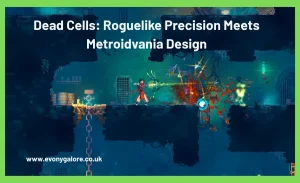
Dead Cells: Roguelike Precision Meets Metroidvania Design
Dead Cells represents a fascinating fusion of metroidvania exploration and roguelike progression that creates an experience simultaneously familiar and refreshingly different from Hollow Knight. Developed by Motion Twin, this action-platformer places you in control of a sentient cluster of cells inhabiting a decapitated prisoner’s body, navigating through a constantly changing castle filled with deadly enemies and challenging boss encounters. The combat system emphasizes fast-paced, aggressive gameplay with a vast arsenal of weapons and abilities that encourage experimentation with different playstyles.
What sets Dead Cells apart while maintaining spiritual kinship with Hollow Knight is its approach to difficulty and progression. Each death returns you to the beginning, but permanent upgrades and unlocked shortcuts ensure steady progression even when individual runs fail. The game’s fluid animation and responsive controls create combat encounters that feel satisfyingly precise, much like Hollow Knight’s nail combat. The interconnected world design, though procedurally generated, maintains the sense of discovery and exploration that defines great metroidvanias. With multiple difficulty levels, branching paths, and countless build possibilities, Dead Cells offers hundreds of hours of challenging gameplay for those who have mastered the Pantheon of Hallownest and hunger for more.

Ori and the Blind Forest & Ori and the Will of the Wisps: Emotional Journeys Through Beautiful Worlds
Moon Studios’ Ori series presents a more emotionally direct narrative approach compared to Hollow Knight’s environmental storytelling, but delivers equally memorable experiences through breathtaking visuals and challenging platforming sequences. Ori and the Blind Forest introduces players to a luminous forest spirit on a quest to restore light to a dying woodland, while its sequel, Ori and the Will of the Wisps, expands the formula with deeper combat mechanics and a larger interconnected world. Both games feature hand-painted environments that rival Hollow Knight’s artistic beauty, though with a brighter, more colorful aesthetic that contrasts sharply with Hallownest’s gothic gloom.
The platforming in the Ori games demands precision and quick reflexes, particularly during the spectacular escape sequences that punctuate both titles. These moments create intense, heart-pounding challenges that test your mastery of Ori’s movement abilities in ways that feel reminiscent of Hollow Knight’s most demanding platforming sections in the White Palace. The combat system in Will of the Wisps introduces a variety of melee and ranged weapons, creating engaging encounters that reward strategic thinking and perfect timing. The emotional resonance of Ori’s story, combined with Gareth Coker’s magnificent musical score, creates an experience that touches the heart while thoroughly testing your gaming skills. For Hollow Knight fans seeking beautiful art direction, challenging gameplay, and interconnected world design, both Ori games deliver spectacular adventures that stand as some of the finest metroidvanias ever created.
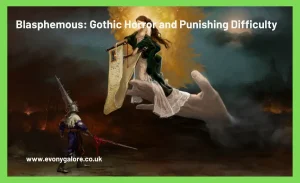
Blasphemous: Gothic Horror and Punishing Difficulty
For players who found Hollow Knight’s dark aesthetic appealing but wished for something even more macabre, Blasphemous delivers a nightmarish vision inspired by Spanish Catholic imagery and Andalusian culture. The Game Kitchen’s brutal metroidvania plunges you into the role of the Penitent One, a silent warrior traversing the cursed land of Cvstodia while wielding a sword born from guilt itself. The pixel art presentation showcases grotesque enemy designs and disturbing environmental details that create an atmosphere of religious horror unique within the genre. Every location drips with dark symbolism and twisted interpretations of faith, punishment, and redemption.
The combat system in Blasphemous emphasizes deliberate, calculated strikes rather than rapid combos, creating battles that feel methodical and weighty. Boss encounters rank among the most challenging in any metroidvania, demanding pattern recognition, precise timing, and persistence that will feel familiar to anyone who struggled through Hollow Knight’s dream bosses. The interconnected world features a labyrinthine design with numerous secrets, shortcuts, and hidden areas that reward thorough exploration. Blasphemous doesn’t hold your hand much like Hollow Knight; it expects players to experiment, explore, and learn from their failures. The recently released sequel, Blasphemous II, refines the formula while maintaining the oppressive atmosphere and challenging difficulty that defined the original, making both titles essential experiences for fans of dark, demanding metroidvanias.

Salt and Sanctuary: Dark Souls Philosophy in 2D Form
Ska Studios’ Salt and Sanctuary predates Hollow Knight but shares remarkable DNA in its approach to challenging 2D combat and interconnected world design. Drawing heavy inspiration from the Dark Souls series, this dark fantasy metroidvania creates a bleak, Gothic world where players must navigate treacherous environments, defeat imposing bosses, and carefully manage limited resources. The combat system prioritizes stamina management, deliberate attacks, and strategic dodging, creating encounters that demand patience and skill mastery. Character customization runs deep, with extensive skill trees, weapon varieties, and build possibilities that encourage multiple playthroughs.
The world design philosophy echoes both Dark Souls and Hollow Knight, featuring intricate level layouts with interconnected shortcuts that gradually unfold as you progress. Sanctuaries serve as safe havens analogous to Hollow Knight’s benches, providing respite from the dangerous world while also serving as crucial upgrade locations. The difficulty curve presents a significant challenge, particularly for players unfamiliar with stamina-based combat systems, but overcoming each obstacle delivers tremendous satisfaction. The atmospheric presentation, featuring hand-drawn characters against detailed background environments, creates a distinctive visual identity that stands apart from other metroidvanias. For Hollow Knight fans who appreciate unforgiving difficulty, methodical combat, and rich build customization, Salt and Sanctuary offers an experience that feels simultaneously familiar and refreshingly different. Its sequel, Salt and Sacrifice, shifts toward a more action-oriented approach while maintaining the series’ commitment to challenging gameplay.

Ender Lilies: Quietus of the Knights – Melancholic Beauty and Strategic Combat
Ender Lilies delivers one of the most hauntingly beautiful experiences in the metroidvania genre, combining gorgeous hand-drawn artwork with a melancholic atmosphere that rivals Hollow Knight’s emotional depth. Binary Haze Interactive and Live Wire’s collaboration creates a world ravaged by the Rain of Death, where you control a young priestess named Lily who must traverse the ruined kingdom of Land’s End. The distinctive combat system allows Lily to summon fallen knights as spectral allies, each offering unique abilities and attack patterns that can be combined strategically to overcome challenging encounters.
The world design emphasizes vertical exploration and interconnected pathways that gradually open as you acquire new abilities, creating that quintessential Metroidvania sense of discovery and backtracking with purpose. The boss presents significant challenges, requiring players to learn attack patterns and exploit enemy weaknesses through careful spirit selection and timing. What truly sets Ender Lilies apart is its emotional storytelling approach while maintaining some of Hollow Knight’s environmental narrative techniques, it delivers a more direct emotional arc that explores themes of sacrifice, corruption, and redemption. The soundtrack by Mili features hauntingly beautiful vocal tracks that enhance the melancholic atmosphere, creating moments of genuine emotional impact. The difficulty can be adjusted to suit different player preferences, making it accessible while still offering substantial challenges for veteran Metroidvania players seeking games like Hollow Knight with similarly atmospheric worlds and demanding combat.
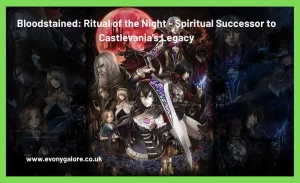
Bloodstained: Ritual of the Night – Spiritual Successor to Castlevania’s Legacy
When legendary developer Koji Igarashi set out to create a spiritual successor to Castlevania: Symphony of the Night, the result was Bloodstained: Ritual of the Night a metroidvania that honors genre traditions while introducing modern innovations. This gothic action-adventure places you in control of Miriam, a Shardbinder with the ability to absorb and wield the powers of defeated demons. The Shard system creates remarkable depth, offering over 120 different abilities that can be mixed, upgraded, and combined to create devastating combos and unique playstyles.
The sprawling castle provides the classic metroidvania experience, featuring multiple interconnected areas, hidden rooms, and secret passages that reward thorough exploration. Combat emphasizes versatility, allowing players to switch between various weapons, magical abilities, and combat styles to find approaches that suit their preferences. The extensive crafting system enables players to create powerful equipment and consumables, adding RPG depth that extends beyond typical metroidvania progression. Boss battles deliver satisfying challenges that require pattern recognition and strategic preparation, though perhaps not quite reaching the brutal difficulty of Hollow Knight’s hardest encounters. The visual presentation combines detailed 2.5D graphics with gothic horror aesthetics reminiscent of classic Castlevania titles. For players who appreciate Hollow Knight’s interconnected world design but prefer more RPG customization options and a less punishing difficulty curve, Bloodstained offers hundreds of hours of content across its massive castle environment, multiple endings, and various difficulty modes.
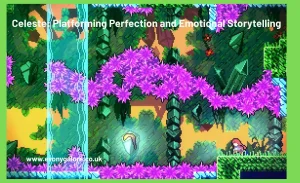
Celeste: Platforming Perfection and Emotional Storytelling
While Celeste diverges from traditional metroidvania structure, it shares Hollow Knight’s commitment to challenging, precise platforming and emotionally resonant storytelling. Matt Makes Games’ critically acclaimed platformer follows Madeline’s journey to climb Celeste Mountain, a physical challenge that mirrors her internal struggle with anxiety and self-doubt. The tight, responsive controls make every jump, dash, and climb feel perfectly tuned, creating platforming sequences that demand skill while always feeling fair. The difficulty scales remarkably well, with optional B-Side and C-Side challenges that push even the most skilled players to their limits.
What makes Celeste particularly relevant for Hollow Knight fans is its approach to difficulty and failure. Like Team Cherry’s masterpiece, Celeste embraces death as a learning tool, allowing players to instantly retry challenging sections without frustration. The game’s Assist Mode demonstrates a remarkable accessibility philosophy, allowing players who struggle with certain mechanics to customize the experience while still engaging with the game’s emotional core. The narrative deals with mental health themes with surprising depth and sensitivity, creating genuine emotional moments that resonate long after completion. The pixel art aesthetic radiates charm and personality, while Lena Raine’s phenomenal soundtrack perfectly complements each environment and emotional beat. Though lacking metroidvania exploration, Celeste delivers the precision platforming and satisfying difficulty that make games like Hollow Knight so rewarding, wrapped in a touching story about perseverance and self-acceptance that speaks to the human condition in ways few games achieve.
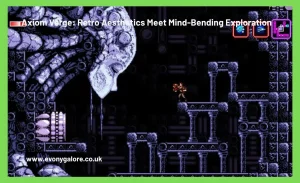
Axiom Verge: Retro Aesthetics Meet Mind-Bending Exploration
Thomas Happ’s one-man development achievement, Axiom Verge, delivers a science fiction metroidvania that pays homage to classic titles like Metroid while introducing reality-bending mechanics that create unique exploration possibilities. You play as Trace, a scientist who awakens in an alien world after a laboratory accident, wielding bizarre weapons and gaining abilities that challenge conventional metroidvania design. The Disruptor tool stands as the game’s most innovative feature, allowing you to glitch enemies and environmental elements to reveal hidden pathways and solve environmental puzzles in unconventional ways.
The retro-inspired pixel art creates an authentically nostalgic aesthetic while maintaining modern design sensibilities, and the world design emphasizes exploration and experimentation over combat difficulty. While boss encounters present challenges, Axiom Verge generally focuses more on puzzle-solving and discovery than the demanding combat sequences that characterize Hollow Knight. The narrative unfolds through cryptic dialogue and environmental storytelling, gradually revealing the true nature of the alien world and Trace’s connection to it. Secrets permeate every corner of the map, with numerous hidden weapons, health upgrades, and lore fragments rewarding meticulous exploration. The sequel, Axiom Verge 2, shifts perspective and introduces new mechanics while maintaining the series’ commitment to creative exploration and reality-bending gameplay. For Hollow Knight fans who particularly enjoy the exploration and world-building aspects over brutal combat challenges, Axiom Verge offers a cerebral alternative that emphasizes discovery and experimentation within its interconnected alien environments.
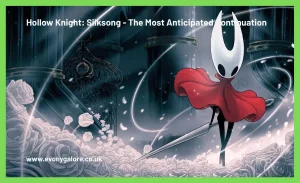
Hollow Knight: Silksong – The Most Anticipated Continuation
Though still awaiting release, Hollow Knight: Silksong deserves mention as the most direct successor to Hollow Knight’s legacy. Team Cherry’s highly anticipated sequel shifts focus to Hornet, the princess-protector of Hallownest whom players encountered throughout the original game. Early previews suggest Silksong will maintain the tight combat and exploration that defined its predecessor while introducing new mechanics that reflect Hornet’s more aggressive, acrobatic playstyle. The kingdom of Pharloom promises a fresh setting with new biomes, characters, and challenges while preserving the atmospheric world-building that made Hallownest so captivating.
Everything shown so far indicates Silksong will deliver the same meticulous attention to detail, challenging boss encounters, and rewarding exploration that characterized the original. Hornet’s needle combat appears faster and more aggressive than the Knight’s nail-based approach, potentially creating combat encounters that demand even greater precision and reflexes. The development team has remained relatively quiet about specific release details, but the gameplay footage demonstrated at various events showcases the same artistic beauty and tight mechanical design that established Hollow Knight as a modern classic. For fans seeking games like Hollow Knight, Silksong represents the most authentic continuation of that experience, promising to expand upon the formula while introducing fresh ideas that prevent it from feeling like mere repetition. When it finally releases, Silksong will undoubtedly stand atop every Hollow Knight fan’s must-play list.
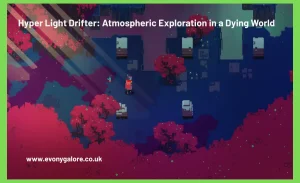
Hyper Light Drifter: Atmospheric Exploration in a Dying World
Heart Machine’s Hyper Light Drifter offers a unique blend of top-down perspective, challenging combat, and wordless storytelling that creates an experience distinctly different from Hollow Knight while sharing its atmospheric depth and demanding gameplay. You control the titular Drifter, a warrior suffering from a mysterious illness, exploring the remnants of a technologically advanced civilization that has fallen into ruin. The pixel art presentation showcases breathtaking environmental design, with each region featuring distinct visual aesthetics and atmospheric details that tell stories without words.
The combat system emphasizes fast-paced action combining melee sword strikes with ranged weapon attacks, creating encounters that demand quick reflexes and strategic thinking. Unlike Hollow Knight’s more methodical combat, Hyper Light Drifter favors aggressive, swift engagements where movement and positioning prove crucial to survival. The world design features interconnected regions filled with secrets, though the overall structure feels less Metroidvania and more traditionally segmented. Boss battles deliver intense challenges that require pattern recognition and precise execution, testing players in ways that will feel familiar to Hollow Knight veterans. The soundtrack by Disasterpeace creates an electronic soundscape that perfectly complements the game’s mysterious atmosphere and sense of melancholic beauty. While the perspective and combat style differ significantly from Hollow Knight, Hyper Light Drifter shares its commitment to challenging gameplay, atmospheric world-building, and minimalist storytelling that respects player intelligence, making it an essential experience for fans of thoughtfully designed action games.
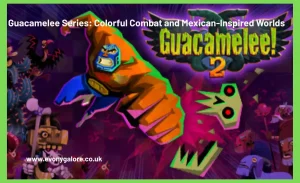
Guacamelee Series: Colorful Combat and Mexican-Inspired Worlds
DrinkBox Studios’ Guacamelee games inject vibrant color, humor, and Mexican folklore into the metroidvania formula, creating experiences that balance challenging combat with personality-filled adventures. You play as Juan Aguacate, a farmer who becomes a luchador to rescue El Presidente’s daughter and save the world from skeletal threats. The combat system brilliantly integrates platforming and fighting game mechanics, with special moves serving dual purposes as both combat abilities and traversal tools that unlock new areas.
What makes Guacamelee particularly relevant for Hollow Knight fans is its demanding combat encounters and platforming challenges that require precise timing and execution. The Pollo Power sections, which transform Juan into a chicken and demand pixel-perfect platforming through intense challenge rooms, deliver frustration and satisfaction in equal measure much like Hollow Knight’s Path of Pain. The dimension-swapping mechanic adds strategic depth to both combat and exploration, requiring players to quickly alternate between the living world and the realm of the dead to navigate obstacles and defeat enemies.
The colorful, stylized art direction contrasts sharply with Hollow Knight’s gothic aesthetic, but the game’s Mexican cultural influences create equally rich world-building and atmospheric depth. Both Guacamelee and Guacamelee 2 offer substantial challenges, extensive upgrade systems, and interconnected worlds that reward thorough exploration. The games can be enjoyed solo or in cooperative multiplayer, adding versatility that many metroidvanias lack. For players seeking games like Hollow Knight with similarly demanding gameplay but lighter tones and more comedic elements, the Guacamelee series delivers remarkable experiences.
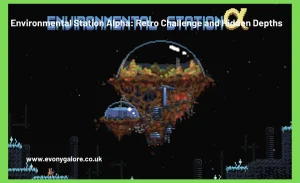
Environmental Station Alpha: Retro Challenge and Hidden Depths
Arvi Teikari’s Environmental Station Alpha initially appears as a straightforward retro-inspired metroidvania, but beneath its simple pixel art exterior lies one of the genre’s most challenging and secretly complex experiences. You explore an abandoned space station as a robot attempting to understand what happened to its former inhabitants. The game starts relatively accessible, guiding players through standard metroidvania exploration and combat, but gradually reveals increasingly difficult optional content that rivals anything Hollow Knight throws at dedicated players.
The true depth of Environmental Station Alpha emerges for those willing to seek out its secrets, hidden areas, and alternative endings. The game contains mysteries so obscure and challenges so demanding that they’ve spawned extensive community discussions and guides attempting to unravel every secret. This approach to hidden content and optional ultra-challenging sections mirrors Hollow Knight’s philosophy of rewarding dedicated exploration and skill mastery.
The retro presentation might appear simple, but the level design demonstrates remarkable sophistication, with interconnected areas that open up in satisfying ways as you acquire new abilities. Boss encounters can be brutally difficult, particularly the optional ones hidden throughout the station. For Hollow Knight fans who appreciate discovering hidden depths beneath seemingly straightforward surfaces and who enjoy being challenged by truly demanding optional content, Environmental Station Alpha offers surprising depths despite its unassuming presentation. The modest price point makes it a low-risk, high-reward experience for Metroidvania enthusiasts.
Valdis Story: Abyssal City – Deep Combat Systems and Beautiful Animations
Kyron Ramsey’s Valdis Story: Abyssal City delivers one of the most mechanically deep combat systems in any metroidvania, creating encounters that reward mastery and strategic thinking. You choose between two playable characters, each with unique abilities and playstyles, exploring an underwater kingdom caught between angelic and demonic forces. The combat system features extensive combo possibilities, multiple weapon types, magic systems, and defensive mechanics that create combat depth rivaling dedicated fighting games while maintaining Metroidvania exploration elements.
The skill trees offer remarkable customization options, allowing players to specialize in particular combat styles or create hybrid approaches that suit individual preferences. Boss battles rank among the most challenging in the genre, demanding that players master defensive mechanics like perfect blocking and dodging while executing complex offensive strategies. The difficulty can be punishing, particularly on higher settings, but the satisfaction of finally defeating a boss after learning its patterns feels tremendously rewarding, much like conquering Hollow Knight’s hardest encounters. The hand-drawn animation creates fluid, beautiful character movement and attack animations that make combat visually satisfying.
The world design features interconnected zones with shortcuts and secrets, though the overall map feels smaller and more compact than sprawling epics like Hollow Knight. The story explores interesting themes of religious conflict and moral ambiguity through dialogue and environmental details. For players who found Hollow Knight’s combat satisfying but wished for even greater mechanical depth and customization options, Valdis Story delivers a technically demanding experience that tests both reflexes and strategic planning.
Comparisons: Key Features Across Hollow Knight-Like Games
| Game Title | Difficulty Level | Art Style | Combat Focus | Exploration Depth | Unique Features |
| Hollow Knight | Very High | Hand-drawn Gothic | Precise, Pattern-Based | Extensive, Interconnected | Charm system, Dream bosses |
| Dead Cells | High (Adjustable) | Pixel Art | Fast, Aggressive | Procedurally Generated | Roguelike elements, Permadeath |
| Ori Series | High (Platforming) | Hand-painted Fantasy | Moderate to Deep | Extensive, Linear-Guided | Escape sequences, Emotional narrative |
| Blasphemous | Very High | Pixel Art Gothic Horror | Methodical, Weighty | Extensive, Labyrinthine | Religious imagery, Executions |
| Salt and Sanctuary | Very High | Hand-drawn Dark Fantasy | Stamina-based, Tactical | Deep, Interconnected | Build customization, Co-op |
| Ender Lilies | Moderate to High | Hand-drawn Melancholic | Strategic, Spirit-based | Extensive, Vertical | Spirit summoning system |
| Bloodstained | Moderate | 2.5D Gothic | Versatile, Customizable | Very Extensive | Shard system, Crafting |
| Celeste | Very High (Platforming) | Pixel Art Colorful | Minimal (Platforming) | Level-based | Mental health themes, Assist mode |
| Axiom Verge | Moderate | Retro Pixel Sci-fi | Moderate, Experimental | Extensive, Reality-bending | Glitch mechanics |
| Guacamelee | Moderate to High | Colorful Stylized | Fighting Game-inspired | Extensive, Dual-world | Dimension-swapping, Co-op |
Essential Tips for Transitioning Between Hollow Knight and Similar Games
Making the transition from Hollow Knight to other challenging metroidvanias requires adjusting your expectations and playstyle to accommodate different design philosophies. While many games share Hollow Knight’s commitment to challenging gameplay and interconnected worlds, each implements these elements differently. Combat systems vary significantly; some emphasize aggressive combos and flashy abilities, while others favor methodical, stamina-based approaches. Take time to understand each game’s mechanical language before judging it too harshly against Hollow Knight’s specific feel.
Key considerations when exploring games like Hollow Knight:
- Adjust your combat mentality: Not every game rewards Hollow Knight’s patient, reactive combat style. Games like Dead Cells and Guacamelee favor aggression, while Salt and Sanctuary demand even more caution than Hollow Knight.
- Embrace different difficulty philosophies: Some games offer adjustable difficulty or assist modes (Celeste, Ender Lilies), while others maintain uncompromising challenges (Blasphemous, Environmental Station Alpha). Neither approach is inherently superior; they serve different player preferences.
- Accept varying narrative styles: Hollow Knight’s environmental storytelling represents one approach among many. Some games deliver more direct narratives (Ori series), while others maintain similar ambiguity (Hyper Light Drifter). Remain open to different storytelling methods.
- Recognize structural differences: Not all great metroidvanias follow identical progression structures. Some feature more linear paths with optional branches, while others embrace complete non-linearity. Each approach offers distinct advantages and creates different exploration experiences.
- Value different artistic visions: While Hollow Knight’s gothic hand-drawn aesthetic creates a remarkable atmosphere, other visual styles can be equally effective at building immersive worlds. From Blasphemous’s grotesque pixel art to Ori’s luminous beauty, diverse aesthetics serve their respective games’ tones perfectly.
Conclusion:
The success of Hollow Knight has contributed to a thriving ecosystem of challenging, artistic metroidvanias that push the genre forward while honoring its traditions. Each game discussed offers unique qualities that make it worth experiencing, whether you’re drawn to brutal difficulty, atmospheric world-building, precise platforming, or deep combat mechanics. The metroidvania genre continues evolving, with developers finding innovative ways to blend exploration, combat, and progression into cohesive experiences that challenge players while respecting their intelligence and perseverance.
For those who’ve exhausted Hollow Knight’s content and conquered even its most demanding challenges, these fifteen games provide hundreds of hours of similarly rewarding experiences. Some will test your combat prowess with demanding boss battles and aggressive enemy encounters, while others emphasize precision platforming or methodical exploration through labyrinthine worlds. The common thread connecting them all is a commitment to thoughtful design, satisfying mechanical depth, and worlds that reward curiosity and persistence. Whether you’re waiting for Silksong or simply seeking your next great gaming challenge, these games like Hollow Knight demonstrate that the metroidvania genre remains vibrant, innovative, and capable of delivering experiences that stick with players long after the credits roll. The journey through Hallownest may have ended, but countless other worlds await those brave enough to explore their depths.