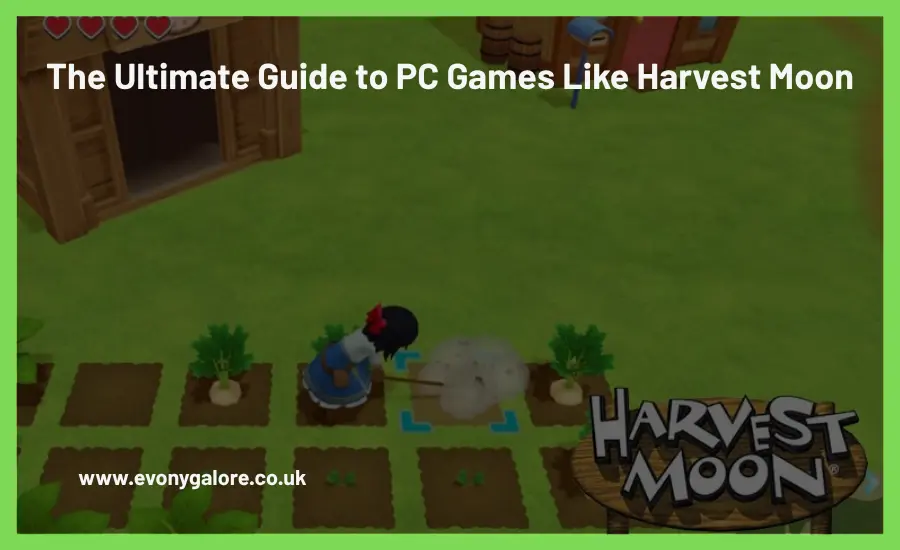
The Ultimate Guide to PC Games Like Harvest Moon: Cultivating Your Virtual Farm Paradise
The charming world of farming simulation games has captivated players for decades, with Harvest Moon standing as the pioneering franchise that planted the seeds for an entire genre. For PC gamers seeking that perfect blend of agricultural management, relationship building, and peaceful rural life, the gaming landscape has blossomed with exceptional alternatives that capture the essence of what made Harvest Moon beloved while introducing fresh mechanics and innovative features. Whether you’re drawn to the rhythmic satisfaction of tending crops, the joy of raising livestock, or the warmth of building a community in a quaint village, the modern PC gaming library offers a rich harvest of titles that deliver these experiences with remarkable depth and creativity.
The appeal of Harvest Moon-style games extends far beyond simple farming mechanics. These games create immersive worlds where players can escape the pressures of modern life, establish meaningful routines, and watch their efforts bloom into thriving homesteads. The genre has evolved significantly since Harvest Moon first introduced players to the concept of life simulation combined with agricultural management, incorporating elements of crafting, combat, romance, and exploration that transform these games into comprehensive virtual life experiences. For PC gamers, this evolution has resulted in titles that leverage the platform’s capabilities to deliver expansive worlds, mod support, and gameplay systems of impressive complexity.
Stardew Valley: The Crown Jewel of Modern Farming Games
When discussing PC games like Harvest Moon, any comprehensive exploration must begin with Stardew Valley, a title that has not only captured the spirit of its inspiration but has arguably surpassed it in many players’ hearts. Developed by a single creator, Eric Barone, over the course of four years, Stardew Valley represents a labor of love that has sold millions of copies and established itself as the definitive farming simulation experience on PC. The game places players in the worn boots of a character who inherits their grandfather’s old farm plot in Pelican Town, trading the soul-crushing monotony of corporate life for the honest, fulfilling work of cultivating the land.
What elevates Stardew Valley beyond mere homage is its remarkable attention to detail and the sheer breadth of activities available to players. The farming mechanics themselves are deeply satisfying, with seasonal crops requiring different strategies, quality levels affecting selling prices, and artisan goods like wine and cheese offering lucrative crafting opportunities. Beyond the fields, players can explore procedurally generated mines filled with monsters and valuable resources, fish in various locations with a surprisingly deep angling system, forage for wild crops in different seasons, and most importantly, build relationships with the town’s diverse cast of bachelors and bachelorettes, each with their own stories, preferences, and heart events that unlock as friendships deepen.
The game’s pixel art aesthetic evokes nostalgia while maintaining a distinctive charm, and the soundtrack composed by ConcernedApe himself perfectly captures the peaceful atmosphere of rural life. Stardew Valley continues to receive substantial free updates years after its initial release, with recent additions including a multiplayer mode that allows up to four players to collaborate on a single farm, expanded late-game content, and quality-of-life improvements that demonstrate the developer’s ongoing commitment to the community. For PC players specifically, the game benefits from an incredibly active modding scene that extends gameplay possibilities exponentially, with mods adding everything from visual overhauls to entirely new gameplay systems, making each player’s experience potentially unique.
My Time at Portia and My Time at Sandrock: Post-Apocalyptic Pastoral Charm
The My Time series offers a refreshing twist on the farming simulation formula by transplanting familiar mechanics into a vibrant post-apocalyptic setting where humanity has rebuilt civilization around the ruins of the old world. My Time at Portia, the first entry in this series, casts players as a workshop builder rather than a traditional farmer, though the core gameplay loop of gathering resources, crafting items, building relationships, and upgrading your home base remains comfortably familiar to Harvest Moon veterans. The game’s colorful, anime-inspired art style creates a surprisingly cheerful post-apocalyptic world where ancient relics are excavated from ruins and repurposed into useful machinery and buildings.
What distinguishes My Time at Portia from pure farming games is its emphasis on crafting and commission fulfillment. Players accept requests from townspeople and the local commerce guild, creating everything from simple furniture to complex machines that help develop the town. The gathering and resource management aspects mirror farming games closely, with players mining in procedurally generated ruins, chopping trees, and collecting materials, but the focus shifts from agricultural cycles to industrial production. The relationship system is robust, featuring numerous eligible marriage candidates, friendship levels with every townsperson, and social activities like attending festivals and playing minigames that strengthen community bonds.
My Time at Sandrock, the sequel, refines the formula while transporting players to a desert environment where water scarcity and sandstorms create different challenges. The improved graphics engine brings the world to life with greater detail, and the gameplay systems have been expanded and polished based on community feedback from the first game. Both titles offer dozens of hours of content with main storylines that actually progress and conclude, something relatively rare in the farming simulation genre, while still providing endless post-game opportunities for players who want to perfect their workshops and relationships. The PC versions of both games support extensive graphical customization and benefit from strong performance optimization, making them accessible to a wide range of hardware configurations.
Graveyard Keeper: Dark Humor Meets Farm Management
For players seeking a farming game with a decidedly darker tone and satirical edge, Graveyard Keeper offers a refreshingly macabre alternative that maintains the addictive gameplay loop of resource management and gradual progression. Instead of inheriting a farm, players find themselves transported to a medieval world where they assume the role of a graveyard keeper, tasked with maintaining a cemetery while desperately seeking a way home. The game’s humor is delightfully dark, with players harvesting organs from corpses for various purposes, managing the quality of bodies before burial, and engaging in morally questionable activities that would never appear in traditional farming games.
Despite its gothic setting, Graveyard Keeper shares fundamental DNA with Harvest Moon-style games. Players follow cyclical patterns of gathering resources, crafting items, upgrading tools and facilities, and building relationships with the eccentric inhabitants of the surrounding village. The game features a complex technology tree requiring materials from various sources, encouraging players to diversify their activities between tending the graveyard, farming crops for alchemy ingredients, mining for valuable ores, and completing quests for suspicious characters. The medieval fantasy setting allows for supernatural elements, including interactions with ghosts, zombies that can be employed as workers, and religious ceremonies that must be performed to maintain the church’s influence.
The game’s progression system is notably different from most farming simulators, using three separate experience tracks representing physical, spiritual, and intellectual development, each unlocked through different activities. This creates interesting strategic decisions about how to spend your limited time and energy each day. While Graveyard Keeper has faced criticism for occasionally grindy progression and some quality-of-life issues, multiple DLC expansions have addressed many concerns while adding substantial new content including dungeon crawling, tavern management, and expanded crafting systems. For PC players who appreciate dark humor and want a farming-adjacent experience that subverts genre expectations while maintaining core mechanical satisfaction, Graveyard Keeper provides a unique and memorable experience.
Garden Paws: Adorable Anthropomorphic Farming Adventure
Garden Paws distinguishes itself in the crowded farming simulation space through its utterly charming aesthetic featuring cute animal characters and a welcoming, family-friendly atmosphere. Players create an anthropomorphic animal character and inherit an island from their grandparents, beginning with modest resources and gradually expanding into a thriving business empire. The game’s visual design embraces bright, saturated colors and rounded, cuddly character designs that appeal to younger players and anyone seeking a more relaxed, stress-free farming experience without sacrificing gameplay depth.
The core gameplay loop incorporates familiar elements like planting crops, raising animals, mining for resources, and fishing, but Garden Paws expands these foundations with an impressive array of additional systems. Players can open and operate their own shop, directly selling items to visiting customers, complete delivery quests for townspeople, explore dungeons filled with monsters and treasure, participate in seasonal festivals, and even engage in competitive racing minigames. The progression system is generous and encouraging, with frequent unlocks of new crops, animals, crafting recipes, and cosmetic options that maintain a steady sense of advancement without overwhelming new players.
What makes Garden Paws particularly appealing for PC gamers is its robust multiplayer functionality, supporting up to eight players cooperatively working on a shared island or visiting each other’s farms. The game actively encourages creativity with extensive building options, allowing players to construct elaborate homes, design their shop layouts, and decorate their islands with hundreds of furniture items and decorative objects. The development team has demonstrated consistent commitment to expanding the game through regular updates that add new content, improve existing systems, and respond to community suggestions. While Garden Paws may not offer the narrative depth or mechanical complexity of some other titles on this list, its accessibility, charm, and genuine fun factor make it an excellent choice for players seeking a lighter, more whimsical farming experience or those wanting to introduce younger family members to the genre.
Exploring Additional Noteworthy Farming Simulation Titles for PC
Beyond the major titles already discussed, the PC gaming ecosystem hosts numerous other games that capture different aspects of the Harvest Moon experience, each offering unique perspectives on farming, community building, and rural life simulation. These games demonstrate the genre’s remarkable diversity and its capacity for innovation while maintaining the core appeal that has attracted players for generations.
Farming Simulation Games with Unique Mechanics
- Coral Island: This recent release reimagines the farming simulation formula with a tropical island setting and an emphasis on environmental conservation. Players work to revitalize a coral reef system while building a traditional farm, merging ecological themes with classic gameplay. The game features beautiful graphics with modernized visuals that move beyond pixel art while maintaining charming character designs, an extensive romance system with diverse marriage candidates representing various body types and ethnicities, and numerous activities including diving, catching bugs, and participating in island festivals. The environmental storyline adds meaningful purpose to progression beyond simple farm expansion, encouraging players to make choices that benefit the ecosystem.
- Sun Haven: Blending fantasy RPG elements with farming simulation, Sun Haven allows players to explore multiple distinct towns representing different fantasy races including humans, elves, demons, and angels. Each location features unique crops, NPCs, romance options, and aesthetic themes. The game incorporates skill trees, combat mechanics, and exploration elements more prominently than most farming games, creating a hybrid experience that appeals to players who want more action alongside their agricultural activities. The magic system allows players to cast spells for farming efficiency or combat purposes, and the dimensional travel mechanics create variety that prevents the gameplay from becoming repetitive.
- Dinkum: This Australian-themed farming and town-building game combines Animal Crossing’s community development aspects with Harvest Moon’s farming mechanics. Players arrive on a procedurally generated island and gradually attract new residents by completing objectives, building infrastructure, and creating an appealing environment. The game features licensed Australian wildlife, mining, fishing, and an emphasis on earning permits to unlock new activities, creating a structured progression system that guides players through increasingly complex gameplay systems while maintaining flexibility in how they approach each day.
Comparing Key Features Across Popular Farming Games
To help players identify which farming simulation best matches their preferences, the following table compares essential features across the most popular Harvest Moon-style games available on PC:
| Game Title | Art Style | Romance Options | Combat System | Multiplayer | Modding Support | Unique Features |
| Stardew Valley | Pixel Art | 12+ Options | Mining Combat | Up to 4 Players | Extensive | Community Center restoration, Junimo creatures, Seasonal festivals |
| My Time at Portia | 3D Anime-Inspired | 10+ Options | Basic Action Combat | None | Limited | Workshop crafting focus, Ruin exploration, Post-apocalyptic setting |
| Graveyard Keeper | Dark Pixel Art | Limited Options | None | None | Moderate | Corpse management, Medieval setting, Dark humor |
| Garden Paws | 3D Cute Animals | 6+ Options | Simple Dungeon Combat | Up to 8 Players | None | Animal characters, Shop management, Family-friendly |
| Coral Island | Modern 2.5D | 28+ Options | Ocean Combat | Up to 4 Players | Developing | Environmental conservation, Diving mechanics, Tropical setting |
| Sun Haven | Fantasy 2D | 15+ Options | RPG-Style Combat | Up to 8 Players | Growing | Multiple fantasy towns, Magic system, Skill trees |
This comparison reveals how each game emphasizes different aspects of the farming simulation experience, allowing players to prioritize features that matter most to them, whether that’s relationship depth, combat engagement, multiplayer functionality, or aesthetic preferences.
Essential Considerations When Choosing Your Perfect Farming Game
Selecting the ideal Harvest Moon-style game for your personal preferences requires evaluating several factors that significantly impact the overall experience and long-term enjoyment. Understanding what you prioritize in a farming simulation helps narrow the extensive options available on PC to titles that truly resonate with your gaming preferences and available time commitment.
The time investment required varies dramatically between titles, with some games designed for shorter play sessions and others expecting players to dedicate substantial hours to maximize enjoyment. Stardew Valley, for instance, rewards extended play with its complex community center restoration and relationship systems, while games like Garden Paws accommodate shorter sessions with flexible progression that doesn’t penalize players for taking breaks. Consider your typical gaming schedule and whether you prefer games that can be played casually or those that benefit from dedicated, focused attention.
The complexity of game systems represents another crucial consideration, as farming simulations range from straightforward crop-and-sell mechanics to intricate systems involving crop rotation, seasonal planning, quality optimization, and complex crafting chains. Newcomers to the genre might appreciate the gentler learning curve of Garden Paws or the intuitive design of Stardew Valley, while veterans seeking deep systems might gravitate toward My Time at Portia’s elaborate crafting requirements or Graveyard Keeper’s multiple resource tracks. Assess your tolerance for complexity and whether you prefer games that gradually introduce mechanics or those that present numerous systems simultaneously for players to master at their own pace.
The social and relationship aspects hold different importance for different players, with some finding joy in pursuing virtual romances and building friendships while others focus primarily on optimization and farm development. Games like Coral Island and Stardew Valley invest heavily in character development, offering extensive dialogue, personal storylines, and meaningful heart events that make relationships feel rewarding. Other titles treat social elements as secondary features, providing basic interactions without the depth of fully developed romance arcs. Similarly, multiplayer functionality transforms the experience for players who enjoy cooperative gaming, with titles like Sun Haven and Garden Paws offering robust co-op features that enhance enjoyment when playing with friends or family.
The Enduring Appeal and Future of Farming Simulation Games
The farming simulation genre’s sustained popularity and continuous growth demonstrate that the fundamental appeal of these games transcends temporary gaming trends, tapping into deep human desires for meaningful progress, peaceful escapism, and the satisfaction of building something through consistent effort. In an increasingly chaotic world, games like Harvest Moon and its spiritual successors provide therapeutic spaces where actions have predictable consequences, hard work yields visible results, and communities function with warmth and acceptance. The genre’s success on PC specifically reflects the platform’s capacity for supporting these experiences with technical advantages like mod support, graphical fidelity options, and the precision of mouse-and-keyboard controls for inventory management.
Looking forward, the farming simulation genre shows no signs of stagnation, with developers continuing to innovate by incorporating elements from other genres, exploring new settings and themes, and leveraging technological advancements to create more immersive worlds. The success of games like Stardew Valley has inspired an entire generation of indie developers to create their own interpretations of the formula, ensuring a steady stream of new titles that push boundaries while respecting the core elements that make farming games beloved. Virtual reality experiments, advanced AI-driven NPC behaviors, and procedural generation technologies promise future iterations that could revolutionize how we experience virtual rural life.
For players seeking games like Harvest Moon on PC, the current landscape offers unprecedented variety and quality, with options suitable for every preference, playstyle, and technical setup. Whether you prioritize romantic relationships, creative building, complex crafting systems, or simply the meditative rhythm of tending virtual crops, multiple excellent titles await your discovery. The genre’s welcoming nature and low-pressure gameplay make these games accessible entry points for non-gamers while offering sufficient depth to satisfy experienced players seeking hundreds of hours of content. As the farming simulation genre continues evolving and expanding, PC gamers can look forward to even more innovative experiences that capture the magic of cultivating virtual land while forging connections with charming digital communities.