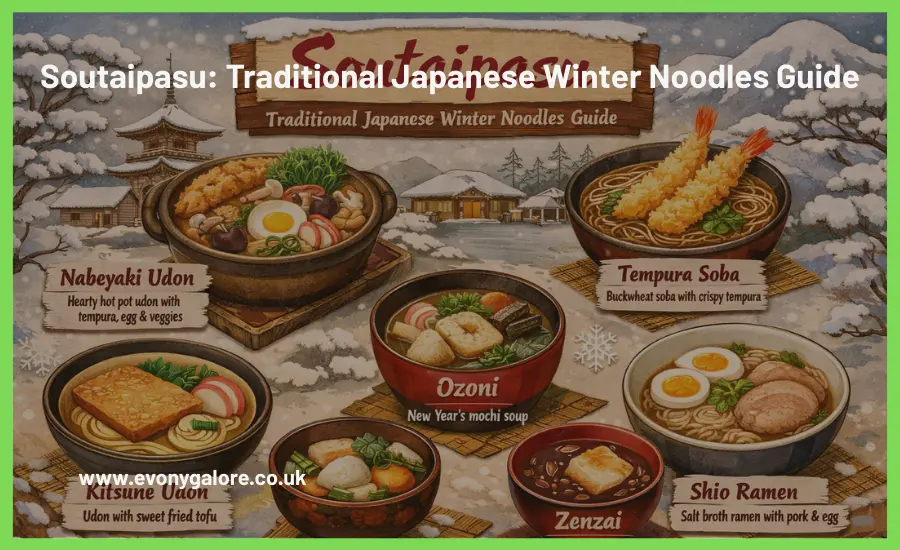
Soutaipasu: Traditional Japanese Winter Noodles Guide
Introduction
When the chill of winter sets in, there’s nothing quite like a steaming bowl of Soutaipasu to warm your soul. This delightful Japanese noodle dish is more than just comfort food; it’s a celebration of flavors and traditions that have been passed down through generations. Each slurp tells a story, inviting you into its rich history while tantalizing your taste buds with every bite.
Soutaipasu offers an irresistible combination of chewy noodles and savory broth, making it a beloved choice among locals and visitors alike. As we dive deeper into this culinary gem, you’ll discover not only its origins but also various types and recipes that cater to both traditionalists and modern food lovers. Whether you’re looking for something classic or ready to experiment with new twists, this guide will make you crave Soutaipasu even more!
History and Origins of Soutaipasu
Soutaipasu, a beloved Japanese winter noodle dish, has roots that stretch deep into the culinary traditions of Japan. Its origins can be traced back to ancient times when wheat flour was introduced to the country through trade routes.
Originally crafted by hand, these noodles were a staple for farmers during harsh winters. The labor-intensive process ensured they could withstand long storage periods while still maintaining their chewy texture.
As time went on, Soutaipasu evolved. Different regions began to put their own spin on it based on local ingredients and tastes. This led to various interpretations that reflect the diverse culture of Japan.
Today, Soutaipasu is celebrated not just for its satisfying flavor but also as a symbol of warmth and comfort during cold months. It’s more than just food; it’s an experience steeped in history and community bonding over shared meals.
🌿 Latest Insight
Acamento Materials Guide: How to Choose the Right Option
Types of Soutaipasu Noodles
Soutaipasu noodles come in various forms, each offering a distinct texture and flavor. The most popular type is the udon-style soutaipasu, known for its thick, chewy consistency. This variety absorbs broth beautifully, making it a favorite in hearty winter soups.
Another variation includes soba soutaipasu. These buckwheat-based noodles are thinner and have a slightly nutty taste. They bring an elegant touch to dishes while maintaining the comforting essence of traditional soutaipasu.
For those seeking something unique, there’s also rice flour souptai pasta. Gluten-free and light, these noodles provide an excellent alternative without compromising on taste or satisfaction.
Each type serves as a blank canvas for toppings and broths, allowing chefs to get creative with their presentations while honoring classic flavors rooted in Japanese cuisine. Whether you prefer them al dente or soft-cooked, there’s always a perfect soutaipasu noodle waiting to warm your bowl this winter season.
Traditional Soutaipasu Recipes
Soutaipasu is a delightful canvas for traditional recipes that warm the soul during Japan’s chilly winters. One popular dish features thick, chewy noodles served in a savory broth infused with dashi and soy sauce.
Topped with green onions, mushrooms, and slices of soft-boiled egg, this combination creates comforting layers of flavor.
Another classic involves stir-frying Soutaipasu noodles with seasonal vegetables like bok choy or carrots. A splash of sesame oil adds richness while keeping the dish light.
For those who enjoy spice, adding chili flakes can elevate the heat without overshadowing the original taste of the noodles. Serve it hot to experience its full effect on cold evenings.
Traditional Soutaipasu dishes reflect regional variations, as families often pass down secret ingredients and techniques through generations. Each bowl tells a story rich in culture and warmth, making every bite an experience worth savoring.
Modern Twists on Soutaipasu
Modern chefs are reimagining soutaipasu, blending traditional flavors with contemporary culinary techniques. One popular twist is the incorporation of spicy elements, like gochujang or sriracha, elevating the dish’s heat and flavor profile.
Another exciting innovation involves infusing unique broths. Think miso-infused seafood stock or even a rich coconut curry base. These variations create a fusion that appeals to adventurous palates.
Plant-based diets have also inspired creative interpretations. Chefs are crafting vegan soutaipasu using ingredients like zucchini noodles and mushroom broth for depth while still honoring the essence of this beloved comfort food.
Moreover, toppings have taken center stage in modern presentations. From poached eggs to gourmet mushrooms, each addition adds texture and visual appeal.
These innovative approaches keep soutaipasu fresh and exciting; each bowl tells a story that blends tradition with creativity.
🌿 Latest Insight
Serlig: Workflow Optimization Tool for Maximum Productivity
Where to Find and How to Cook Soutaipasu
Soutaipasu can be found in many Japanese grocery stores or specialty Asian markets. If you’re lucky, you might even stumble upon them at local farmers’ markets during the winter months. Look for fresh noodles made from wheat flour and a blend of other ingredients.
Cooking Soutaipasu is straightforward. Start by boiling water in a large pot, adding salt to enhance flavor. Once it reaches a rolling boil, gently add the noodles and cook for about 3-4 minutes until tender but still chewy.
For an authentic touch, consider creating a broth using dashi or miso as your base. Toss in seasonal vegetables like bok choy or mushrooms to elevate the dish further.
Don’t forget to finish with garnishes such as chopped green onions or sesame seeds; the perfect way to add texture and visual appeal!
Health Benefits of Soutaipasu
Soutaipasu is not just a delicious dish; it also offers numerous health benefits. Made primarily from wheat flour, these noodles provide complex carbohydrates that serve as a great energy source for your body.
Rich in protein, Soutaipasu can help with muscle repair and growth. This makes them an excellent choice for those who lead active lifestyles.
The broth often used in Soutaipasu recipes is typically packed with vitamins and minerals derived from ingredients like vegetables or meats. These components contribute to overall immune support.
Moreover, the warmth of hot soup can be soothing during cold winter months, helping to improve circulation and digestion. Using fresh ingredients enhances nutrient absorption too.
Including Soutaipasu in your diet may promote both physical well-being and comfort during chilly days. Enjoying this traditional Japanese noodle dish can be both satisfying and nutritious.
🌿 Latest Insight
How to Prepare for the Cjmonsoon Season
Conclusion
Soutaipasu is more than just a comforting bowl of noodles. It encapsulates the rich culture and traditions of Japan, offering warmth during the cold winter months. With its fascinating history and various types, there’s always something new to explore within this culinary gem. From traditional recipes passed down through generations to modern twists that excite contemporary palates, Soutaipasu has proven its versatility in the kitchen. Its unique flavors and textures invite creativity for both novice cooks and seasoned chefs alike.
The health benefits associated with Soutaipasu add an extra layer of appeal. Rich in nutrients, these noodles not only satisfy hunger but also contribute positively to well-being. Whether seeking authentic dishes or innovative takes on classic recipes, everyone can find joy in preparing and enjoying Soutaipasu at home or discovering it at local restaurants. Embrace this delightful aspect of Japanese cuisine; it’s sure to bring comfort on those chilly days ahead!
You May Also Read Our More Latest Blogs here, General Post