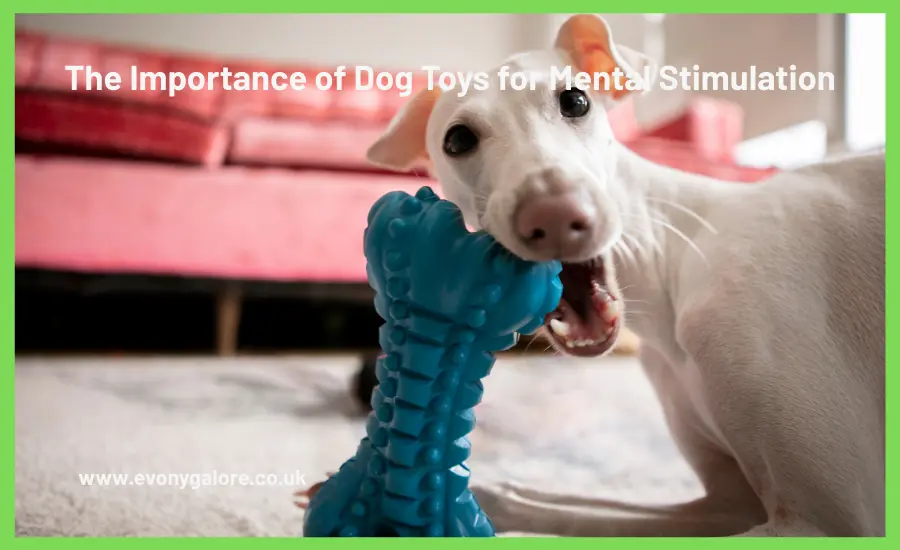
The Importance of Dog Toys for Mental Stimulation
Most dog owners know that physical exercise is crucial for a happy, healthy pet. We dutifully go on daily walks, play fetch at the park, and even sign our pups up for agility classes. But what about exercising their brains? A tired dog is a good dog, but a mentally tired dog is a truly content one.
This is where toys come in. A good toy is more than just a colorful, squeaky object to keep your dog busy while you work. It is a powerful tool for providing mental stimulation, which is just as important as physical activity for your dog’s overall well-being. A bored dog is often a destructive dog, a vocal dog, or an anxious dog. By engaging their minds, you can prevent a host of behavioral problems before they start.
Let’s explore why mental stimulation is so vital and how the right toys can unlock your dog’s full potential, leading to a smarter, happier, and more balanced companion.
Why Your Dog’s Brain Needs a Workout
Dogs were originally bred for specific jobs: herding, hunting, guarding, and tracking. These tasks required not only physical stamina but also intense focus and problem-solving skills. While most modern dogs are professional couch-surfers rather than working animals, their brains are still hardwired for a challenge.
When a dog doesn’t have an outlet for this cognitive energy, they find their own “jobs,” which often manifest as undesirable behaviors:
- Destructive Chewing: Tearing up furniture, shoes, or drywall.
- Excessive Barking: Alerting you to every leaf that falls.
- Anxiety and Restlessness: Pacing, whining, or displaying obsessive behaviors.
- Digging: Creating craters in your backyard or carpet.
Mental stimulation through toys provides a positive outlet for these instincts, giving your dog a constructive way to use their brain.
Different Toys for Different Brains
Not all toys are created equal. Just like people enjoy different hobbies, dogs benefit from a variety of toys that challenge them in unique ways. A well-rounded toy box should include options from each of the following categories.
1. Puzzle Toys and Food Dispensers
Puzzle toys are arguably the best tools for direct mental stimulation. They require a dog to think, problem-solve, and manipulate objects to get a reward, usually a tasty treat. This process mimics the natural foraging and hunting behaviors of their ancestors.
- How they work: These toys range from simple balls that release kibble as they roll to complex boards with sliders and levers that hide treats. The dog must figure out how to nuzzle, paw, or flip components to access the food.
- Benefits: Puzzle toys can slow down fast eaters, reduce boredom when you are away, and build confidence as your dog successfully solves the challenge. They are perfect for dogs on rainy days when a long walk isn’t possible.
- Recommendation: Start with an easy puzzle and gradually increase the difficulty as your dog gets better at it. This prevents frustration and keeps them engaged.
2. Chew Toys
Chewing is a natural and necessary behavior for dogs. It’s not just for puppies who are teething; adult dogs need to chew, too. It helps keep their jaws strong, their teeth clean, and their minds occupied.
- How they work: A good chew toy provides a safe and appropriate outlet for this instinct. Instead of chewing on your dining room table leg, your dog can focus their energy on a durable rubber or nylon toy.
- Benefits: Chewing is a self-soothing activity. It can significantly reduce stress and anxiety in dogs, especially those with separation anxiety. The repetitive motion releases endorphins, creating a sense of calm.
- Recommendation: Always choose a chew toy appropriate for your dog’s size and chewing strength. A power-chewer can destroy a soft toy in minutes, creating a choking hazard. Toys specifically designed for dogs with separation anxiety, like those in the Sovelivee dog toys collection, are often made from ultra-durable materials that can withstand hours of dedicated chewing.
3. Interactive Toys
Interactive toys are those that require you to play with your dog. This category includes everything from classic tennis balls and frisbees to flirt poles and tug ropes.
- How they work: These toys are all about shared activity. Fetch, tug-of-war, and chase games engage your dog’s mind and body while strengthening the bond between you.
- Benefits: Interactive play is a fantastic way to teach your dog rules and impulse control. For example, a game of tug can teach a dog the “drop it” command. It also helps burn off excess energy in a fun, focused way.
- Recommendation: A robust rope toy is a must-have for any household. Tugging is a great way to build confidence in timid dogs and provides a healthy outlet for a dog’s natural “grab and shake” instinct.
Toys for Specific Needs: Separation Anxiety
One of the most powerful applications of mental stimulation toys is in managing separation anxiety. When a dog is left alone, their anxiety can skyrocket, leading to destructive behavior and distress.
A high-value food puzzle or a durable chew toy can completely change this experience. Instead of panicking when you leave, the dog learns that your departure means they get their special, super-fun toy that they only get when they’re alone. This transforms a negative event into a positive one.
For example, a tough, stuffable toy from the dog toys line can be filled with frozen peanut butter or yogurt. It can take a dog 30 minutes or more to lick it clean, by which time they are calmer and have forgotten their anxiety.
How to Keep Toys Interesting
Ever notice how your dog goes crazy for a new toy, only to ignore it a week later? Dogs, like humans, can suffer from novelty fatigue. The key to long-term mental stimulation is to keep things fresh.
- Toy Rotation: Don’t leave all the toys out at once. Keep a stash of toys hidden away and rotate a few out every week. When an “old” toy reappears after a month-long absence, it will feel brand new to your dog.
- Make it a Game: Don’t just hand your dog a toy. Hide it under a blanket or in another room and encourage them to “find it.” This adds an extra layer of scent work and problem-solving to their playtime.
- DIY Puzzles: You don’t always need to buy new toys. A simple muffin tin with treats hidden under tennis balls can be a great puzzle. Hiding kibble in a rolled-up towel (a “snuffle towel”) also works wonders.
Conclusion
A dog’s toy box should be seen as a tool chest for their mental health. Providing outlets for chewing, problem-solving, and interactive play is essential for raising a well-behaved, confident, and happy companion. By investing in a variety of quality toys and actively engaging your dog’s brain, you are giving them the “job” they crave.
So, the next time you see your dog looking bored, don’t just reach for the leash. Grab a puzzle toy, a tough chewer, or a tug rope and give their mind the workout it deserves. You will be amazed at how a little bit of brain work can transform your dog’s behavior and deepen your bond.