What District Am I In Hunger Games: A Complete Guide to Finding Your Panem Identity
The Hunger Games universe has captivated millions of readers and viewers worldwide, creating a dystopian world so vivid that fans often wonder where they would fit within the fictional nation of Panem. The question “What district am I in Hunger Games?” has become one of the most searched queries among fans eager to discover their place in this post-apocalyptic society. Understanding the districts, their industries, characteristics, and the personalities that thrive within them can help you identify which district aligns with your skills, values, and lifestyle. This comprehensive guide will explore every district in Panem, helping you determine where you truly belong in the Hunger Games world.
- Understanding the Districts of Panem and Their Significance
- The Career Districts: Luxury, Power, and Privilege
- The Production Districts: Agriculture and Essential Resources
- The Industrial and Resource Districts: Raw Materials and Manufacturing
- Finding Your District: Assessment Factors to Consider
- The Meaning Behind Your District Identity
Understanding the Districts of Panem and Their Significance
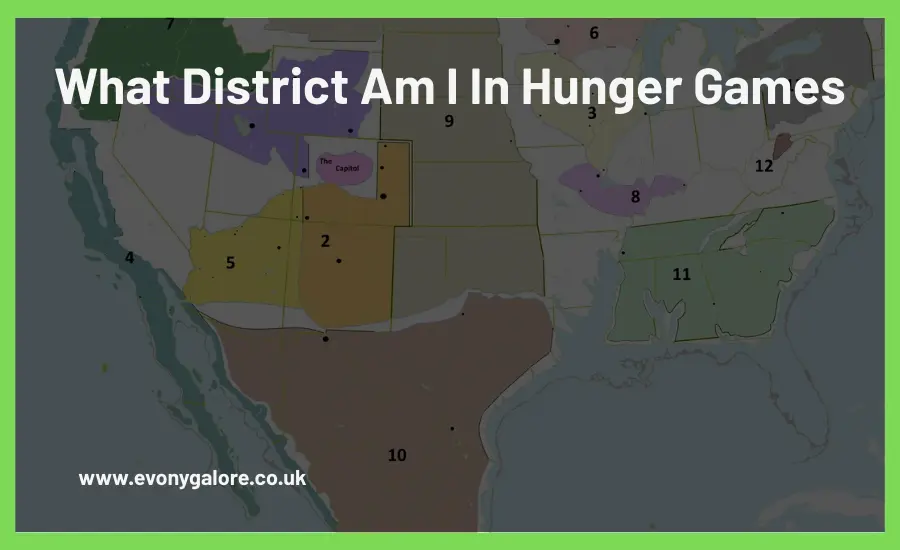
Before diving into which district might be your home, it’s essential to understand the structure of Panem and how the districts function within this authoritarian society. Panem consists of the Capitol, the wealthy and technologically advanced center of power, and thirteen districts, each responsible for producing specific goods or services for the nation. Following the first rebellion, District 13 was believed to be destroyed, leaving twelve functioning districts under Capitol control. Each district specializes in a particular industry, and this specialization shapes the culture, lifestyle, skills, and even the physical characteristics of its citizens.
The districts exist in a rigid hierarchy, with some enjoying relative comfort while others suffer in extreme poverty. The closer a district’s industry is to luxury goods or essential Capitol services, the better treated its citizens tend to be. Conversely, districts producing raw materials through dangerous labor face harsh conditions and strict Capitol oversight. Understanding these dynamics is crucial when determining which district reflects your personality, skills, and values. The annual Hunger Games themselves serve as the Capitol’s reminder of its power, forcing each district to offer tributes who must fight to the death in a televised spectacle.
When fans ask themselves, “What district am I in Hunger Games?” they’re really exploring deeper questions about identity, survival skills, work ethic, and moral values. Each district represents different aspects of society and human capability, from the artistic and technological to the agricultural and industrial. Your district identity reveals not just what you would do for work, but how you would survive, what you would value, and how you might resist or cooperate with oppressive systems.
The Career Districts: Luxury, Power, and Privilege
District 1: Luxury Goods and Glamour
District 1 specializes in producing luxury items for the Capitol, including jewelry, precious stones, and other ornamental goods. Citizens of this district enjoy one of the highest standards of living outside the Capitol itself. They are typically well-fed, well-dressed, and receive better education than most other districts. The relationship between District 1 and the Capitol is notably warmer, with many residents viewing Capitol culture aspirationally rather than with resentment. If you find yourself drawn to aesthetics, craftsmanship, beauty, and refinement, District 1 might be your home. People who value appearance, status, and material success often identify with this district. District 1 produces Career Tributes who volunteer for the Hunger Games and train from childhood, seeing the Games as an opportunity for glory rather than a death sentence.
District 2: Masonry, Weapons, and Military Power
District 2 holds a unique position as the district responsible for masonry, weapon manufacturing, and training Peacekeepers for the Capitol. This district is essentially the military-industrial heart of Panem, and its citizens enjoy significant privileges as a result of their close relationship with Capitol power. The people of District 2 tend to be strong, disciplined, and combat-ready. They produce the most formidable Career Tributes, with extensive training facilities dedicated to preparing young people for the Hunger Games. If you possess strong leadership qualities, tactical thinking, physical prowess, and a warrior mentality, you might belong in District 2. This district attracts those who value strength, strategy, hierarchy, and the honor found in combat. The moral complexity of District 2 is fascinating, as its citizens benefit from collaborating with an oppressive system while still being subjects of that same system.
District 4: Fishing and Maritime Excellence
District 4 specializes in fishing and operates Panem’s maritime industry. Located along the coastline, this district benefits from abundant food resources and relatively better living conditions compared to many other districts. Citizens of District 4 are skilled swimmers, fishermen, and sailors with extensive knowledge of marine life and ocean survival. While technically a Career district that produces volunteers for the Hunger Games, District 4 maintains a slightly different culture than Districts 1 and 2, with less overt Capitol worship and more focus on practical skills and community bonds forged through dangerous work at sea. If you feel connected to water, possess strong swimming abilities, value self-sufficiency, and have skills in navigation or resource gathering, District 4 could be your match. People who identify with this district often appreciate both the bounty and danger of nature, understanding that survival requires respect for powerful forces beyond human control.
The Production Districts: Agriculture and Essential Resources
District 11: Agriculture and the Spirit of Resistance
District 11 is Panem’s agricultural powerhouse, responsible for producing the majority of the nation’s food supply through vast orchards, farms, and fields. Despite feeding the entire nation, District 11 citizens face some of the harshest conditions in Panem, with brutal overseers, severe punishments for minor infractions, and widespread poverty. The district has the largest population of any district, and its culture bears strong resemblances to historical plantation systems, complete with systemic oppression and a predominantly dark-skinned population. The people of District 11 are incredibly hardworking, resilient, and possess deep connections to the land and growing things. If you know plants, farming, or agriculture, value hard work and community solidarity, and possess a quiet strength that endures despite hardship, you might belong in District 11. This district represents those who labor to sustain others, who understand the cycles of life and death through their work with the earth, and who harbor deep wells of resistance beneath surface compliance.
District 10: Livestock and Animal Husbandry
District 10 specializes in livestock, providing meat, leather, and other animal products for Panem. Citizens here work as ranchers, herders, butchers, and animal handlers. The district’s culture revolves around animal care and the practical, often harsh realities of raising creatures for slaughter. Life in District 10 requires physical stamina, practical skills, and an understanding of animal behavior and needs. If you have experience with animals, appreciate rural life, possess hands-on practical skills, and understand the cycles of life and death in food production, District 10 might be your district. People who identify with District 10 often value honest work, have a no-nonsense attitude toward survival, and maintain strong connections to traditional ways of living. The district represents those who do necessary but often unappreciated work, providing essential resources while receiving little recognition or reward.
District 9: Grain Production and Agricultural Processing
District 9 focuses on grain production and operates massive fields of wheat, corn, and other cereal crops. This district faces similar challenges to District 11, with long hours of backbreaking labor in fields and processing facilities. The citizens of District 9 are hardworking and practical, with skills in planting, harvesting, milling, and food processing. The district’s culture emphasizes endurance and the ability to work through monotonous, physically demanding tasks. If you have patience for repetitive work, understand large-scale food production, value stability and routine, and possess the mental fortitude to continue working despite difficult conditions, you might belong in District 9. This district attracts those who find satisfaction in essential work, even when it goes unnoticed, and who understand that survival depends on steady, reliable production of necessities.
The Industrial and Resource Districts: Raw Materials and Manufacturing
District 12: Coal Mining and Underground Resilience
District 12, the home of Katniss Everdeen, specializes in coal mining and represents one of the poorest, most neglected districts in Panem. Located in Appalachia, this district faces constant danger from mining accidents, black lung disease, and poverty-related hardships. Despite these challenges, District 12 citizens are remarkably resilient, resourceful, and they maintain strong family and community bonds. The district has a vibrant black market culture in “The Hob,” where illegal trade occurs, and many citizens supplement their income through hunting in the forbidden woods surrounding the district. If you value self-sufficiency, have skills in hunting or foraging, possess the ability to survive with limited resources, and maintain hope and humanity despite hardship, District 12 might be your home. This district represents the most oppressed citizens who nevertheless maintain their dignity, form deep personal connections, and find ways to resist through small acts of defiance and survival.
District 3: Technology and Electronic Innovation
District 3 specializes in technology, electronics, and the manufacturing of electronic devices for the Capitol and other districts. Citizens here are typically intelligent, technically skilled, and work in factories and workshops producing everything from televisions to the advanced technology used in the Hunger Games arenas. The district values intelligence and innovation, though citizens must direct their creativity toward serving Capitol interests. If you have technical skills, enjoy problem-solving, excel at understanding complex systems, and possess analytical thinking abilities, you might belong in District 3. People who identify with this district often prefer mental challenges to physical ones, appreciate logic and efficiency, and understand how systems work from the inside, knowledge that can be powerful for both compliance and sabotage.
District 5: Power Generation and Energy Production
District 5 is responsible for generating electrical power for all of Panem, operating power plants, dams, and other energy infrastructure. This district requires citizens with technical knowledge, attention to safety protocols, and understanding of complex energy systems. The work is dangerous but essential, giving District 5 a certain importance despite not enjoying the privileges of Career districts. If you have an interest in energy systems, engineering, infrastructure, and understand the importance of foundational systems that keep society functioning, you might belong in District 5. This district attracts those who work behind the scenes, ensuring that essential services continue operating, and who understand that power, both literal and metaphorical, flows through systems that most people never see or appreciate.
District Classification and Key Characteristics
| District | Industry | Living Conditions | Key Skills | Personality Traits | Hunger Games Performance |
| District 1 | Luxury Goods | Excellent | Craftsmanship, aesthetics | Ambitious, status-oriented | Career tributes, strong |
| District 2 | Masonry, Weapons | Excellent | Combat, strategy | Disciplined, militaristic | Career tributes, strongest |
| District 3 | Technology | Moderate | Technical skills, innovation | Intelligent, analytical | Moderate, uses strategy |
| District 4 | Fishing | Good | Swimming, survival skills | Adaptable, resourceful | Career tributes, strong |
| District 5 | Power | Moderate | Engineering, technical | Detail-oriented, systematic | Moderate performance |
| District 6 | Transportation | Poor | Mechanical skills | Practical, mobile | Weak performance |
| District 7 | Lumber | Moderate | Physical strength, axe work | Hardworking, resilient | Moderate to strong |
| District 8 | Textiles | Poor | Sewing, factory work | Creative under constraints | Weak to moderate |
| District 9 | Grain | Poor | Agriculture, endurance | Patient, hardworking | Weak performance |
| District 10 | Livestock | Poor | Animal handling | Practical, no-nonsense | Weak to moderate |
| District 11 | Agriculture | Very Poor | Farming, plant knowledge | Resilient, community-focused | Moderate, skilled survivors |
| District 12 | Coal Mining | Very Poor | Mining, hunting, survival | Resourceful, defiant | Historically weak, varies |
Finding Your District: Assessment Factors to Consider
When determining which district you belong to in the Hunger Games universe, consider multiple factors beyond just your current occupation or hobbies. Think about your core values, survival instincts, relationship with authority, and how you would respond to oppression. Would you cooperate with an unjust system for personal benefit, or would you resist even at great personal cost? Your answer reveals whether you might belong in a Career district or one of the oppressed outer districts.
Consider your practical skills and natural talents. Are you physically strong and combat-oriented, suggesting Districts 2 or 7? Do you have technical or intellectual abilities pointing toward Districts 3 or 5? Are you connected to nature, agriculture, or animals, indicating Districts 10, 11, or 12? Your skill set in a survival scenario matters tremendously in determining your district identity.
Your personality and work style also provide crucial clues. Do you thrive on competition and status, value luxury and aesthetics, or seek recognition for achievements? These traits align with Districts 1 and 2. Alternatively, if you value community, find satisfaction in essential work regardless of recognition, maintain hope despite hardship, and prioritize relationships over advancement, you likely belong in one of the outer districts. People who identify strongly with underdog narratives, resistance against injustice, and finding meaning in struggle often place themselves in Districts 11 or 12, seeing themselves in the characters who sparked rebellion rather than those who benefited from the status quo.
The Meaning Behind Your District Identity
Discovering which district you belong to in the Hunger Games universe offers more than just entertainment value. It provides insight into how you view yourself in relation to systems of power, your survival priorities, and your personal values. The question “What district am I in Hunger Games?” ultimately asks how you would navigate a world of extreme inequality, where your birth determines your opportunities and your survival depends on both skill and luck.
Your district identity reflects whether you see yourself as someone who would work within oppressive systems, finding ways to benefit or at least survive, or as someone who would resist, even when resistance seems futile. It reveals whether you value comfort and security enough to compromise your principles, or whether you would sacrifice material comfort for autonomy and dignity. These are not simple questions with right or wrong answers, but rather opportunities for self-reflection about the complex choices humans face when systems are unjust but resistance is dangerous.
The enduring popularity of district identification quizzes and discussions demonstrates that The Hunger Games resonates because it presents recognizable dynamics of inequality, exploitation, and resistance. When fans identify with particular districts, they’re recognizing aspects of real-world class systems, resource distribution, and the different ways people respond to injustice. Whether you see yourself in the Career districts, the industrial middle districts, or the oppressed agricultural districts, your identification says something meaningful about your self-perception and values.
Understanding your district in the Hunger Games universe connects you to a global community of fans who see themselves in this dystopian world, finding both entertainment and deeper meaning in these fictional divisions. Your district becomes part of your fandom identity, influencing which characters you relate to, which storylines resonate most deeply, and how you interpret the larger themes of survival, resistance, and humanity under oppression that make The Hunger Games such a powerful and enduring cultural phenomenon.